

























































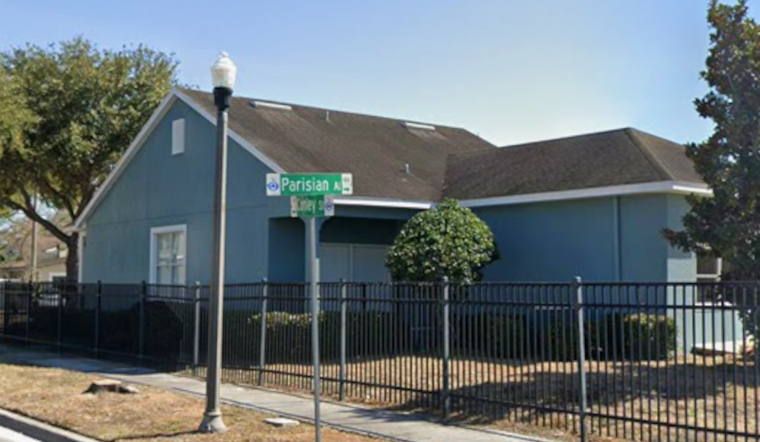
For nearly two decades, a single fenced-off house in Parramore has sat alone, an unfinished echo of a redevelopment that never quite landed. The property at 802 Short Avenue was built during the Carver Park HOPE VI era, neighbors say, but no family ever moved in. Its boarded walkway and the surrounding empty lots have turned it into one of Orlando’s lingering neighborhood puzzles. Now, officials and developers are trying to pull the solitary structure into a new affordable-housing plan for the area.
News 6 investigators reported that the single-family home is fenced, regularly maintained, and has never been occupied. Public property records and online listings list the house as built in 2009 and show the parcel remains off market, according to Zillow.
Where The Project Stalled
The lot was originally part of the Orlando Housing Authority’s Carver Park HOPE VI revitalization, an early-2000s effort to replace aging Carver Court with a mixed-income neighborhood, according to the Orlando Housing Authority. Federal HUD records show that millions were redirected to remove debris and contaminated soil, work that forced OHA to scale back parts of the original plan, per HUD. Those setbacks, combined with the 2008-09 market collapse, left some parcels undeveloped and a lone spec house stranded on the site.
A New Proposal And A Familiar Developer
A public-private proposal led by PMG Affordable would place roughly 50 affordable rental townhomes on the Carver Park parcels. Federal housing officials have already signed off, and the developer told investigators construction could begin as early as 2027, with the first residents possibly moving in by 2028. PMG Affordable, the affordable-housing arm of national developer PMG, has pursued affordable projects in Florida and New York since launching the division in 2020, according to Housing Finance. The Orlando Housing Authority has shared concept art for the site and says the existing spec house might be reused as a leasing or application office, or later sold as part of the finished project, as reported by ClickOrlando.
Who The Units Would Serve
By HUD guidelines, “affordable” housing in the Greater Orlando area typically serves households at or below 80% of the area median income, with many developments reserving units for very low-income (50% AMI) and extremely low-income (30% AMI) residents, per HUD. The Orlando Housing Authority also notes that voucher recipients generally pay about 30% of gross income toward rent, with the voucher covering the remainder, according to the Orlando Housing Authority.
What Comes Next
The project still needs final financing, local approvals, and a detailed construction schedule before work can begin, and those steps will determine whether the long-idle house becomes a temporary leasing office or a property to sell. Neighbors and advocates in Parramore say they will be watching how the plan balances new development with the neighborhood’s history and the need for deeply affordable units.





