

























































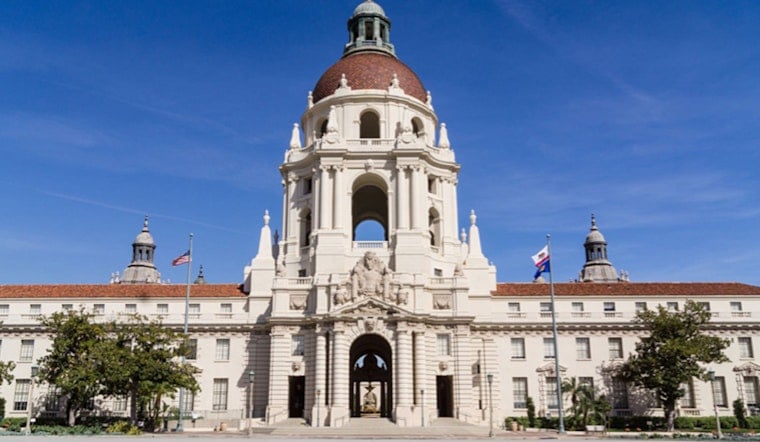
Pasadena is getting ready to nudge up what residents and businesses pay in a whole array of city charges, as financial staff this week rolled out the recommended Fiscal Year 2027 Schedule of Taxes, Fees and Charges. The proposal pegs most flat-rate fees to inflation, which would mean an increase of about 2.93 percent starting July 1, and arrives bundled with a slate of contracts and capital projects that range from fleet lighting gear to long-delayed sewer pump upgrades.
According to a staff report from the City of Pasadena, the Consumer Price Index for the Los Angeles-Long Beach-Anaheim metropolitan area rose 2.9320 percent between March 1, 2025, and March 1, 2026. Under a CPI adjustment formula Pasadena has used since 1978, the Director of Finance is required to calculate that change each year and present it to the City Council. Staff recommended applying this year’s figure to flat-amount taxes, fees and charges and urged formal adoption after a May 18 public hearing.
The same report estimates the FY 2027 adjustments would bring in roughly $165,000 in additional General Fund revenue, about $1.4 million for the Sewer Fund and around $280,000 split among other city funds. The idea, staff say, is not a windfall but a catch-up that keeps basic city services from falling behind rising costs.
As reported by Pasadena Now, the inflation-based tweaks would ripple through a long list of municipal charges, including residential impact fees, the construction tax, business license minimums, utility user taxes and animal license fees. Finance staff also told reporters they deliberately steered clear of raising percentage-based tax rates, a politically and legally thornier move that typically requires a vote of the people under state law.
Where the increases land
Attachment A in the council packet lays out every current and proposed rate, according to the staff report from the City of Pasadena. Most changes would hit flat dollar amounts rather than percentage tax rates, which must go through a separate approval process. For smaller permits and routine licenses, the actual bump is relatively modest. The big money shows up in enterprise funds, particularly the Sewer Fund, where small shifts in fees add up quickly.
City officials characterize the adjustments as a way to maintain existing service levels in the face of higher operating costs, not as a push to expand programs. Still, for residents already feeling squeezed, even a CPI-sized hike can be one more line on a growing bill.
Sewer pump upgrades to be paid from Sewer Fund
One of the marquee projects riding on these utility-related dollars is a modernization of the Busch Garden and Rosemont sewer pump stations. The packet recommends awarding a contract with a base bid of $3,299,524, plus about a 15 percent contingency, for a not-to-exceed total of approximately $3,794,453. The Department of Public Works notes that the stations, built in the 1940s, still lack standby generators, remote monitoring and modern electrical systems, all of which this project is designed to tackle.
The overhaul would be funded entirely from the Sewer Fund and is not expected to touch the General Fund, according to an agenda report from the City of Pasadena. Construction procurement is scheduled to begin in July 2026, with work forecast to start in May 2027. It is a slow timeline for infrastructure nearly old enough to collect Social Security, but one city staff say is necessary to line up contractors and funding.
Other contracts in the packet
The same council packet also bundles several other utility and operations-related purchases. Among them are a five-year fleet lighting equipment contract worth about $323,080, Pasadena Water & Power’s recommended cost-modeling software purchase of roughly $1.37 million and a proposed contract for EV-charging back-office services at about $1.9 million. These items are programmed to be paid from enterprise or capital funds, such as Water & Power and fleet maintenance budgets, a structure officials say keeps the impact on the General Fund limited, as reported by Pasadena Now.
Legal notes
Under California’s Proposition 218, increases to percentage-based local tax rates generally require voter approval. That legal reality is a big reason staff kept this round of updates focused on flat-amount adjustments. The Legislative Analyst’s Office explains that Proposition 218 requires voter sign-off for most new local taxes and for increases in existing local ad valorem taxes, a rule that has reshaped how cities across the state design and update their revenue measures since the initiative passed.
For now, Pasadena’s proposed schedule of taxes, fees and charges is headed to a public hearing and formal adoption process at City Hall. If the council signs off, most of the changes would kick in July 1. Residents and businesses can dig into the council packet for line-by-line details and tune in to the May 18 meeting to see how the final vote shakes out.





