

























































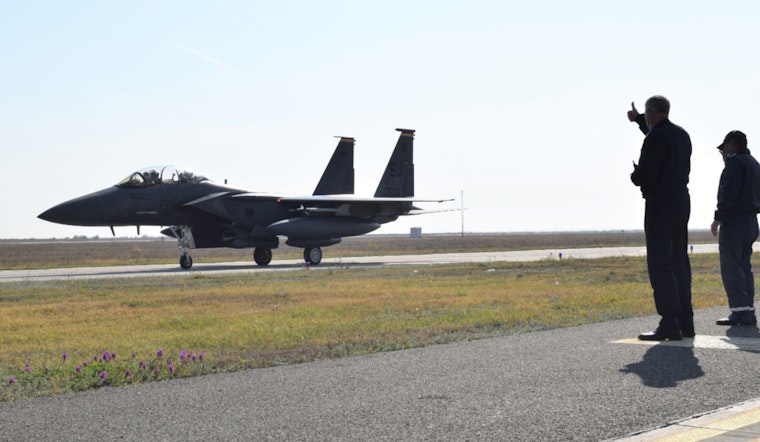
Washington has quietly warned its NATO partners that, in a future crisis, they should not count on seeing the same surge of American firepower they are used to. In closed-door briefings in Brussels, U.S. officials outlined plans to sharply cut the pool of U.S. warplanes, strategic bombers and surface warships pledged to the alliance, shifting more of the conventional burden onto European militaries while the United States keeps more forces available for other theaters.
What's changing
An envoy from Defense Secretary Pete Hegseth briefed NATO officials in Brussels and, according to Defense News, told allies that the number of U.S. fighter jets committed to the NATO Force Model would drop by roughly a third, while the pool of strategic bombers made available to the alliance would be cut by about half. That description matches reporting based on a German Der Spiegel story and on additional coverage from Brussels.
Which assets would be pulled back
Reporting indicates that the U.S. Navy would place fewer destroyers in the alliance pool and would keep its submarines out of NATO's ready roster altogether. The United States also plans to scale back the availability of armed and reconnaissance drones, along with some aerial refuelling aircraft. Those details were described in accounts of the Der Spiegel briefing, as cited by Anadolu Agency, which drew on the same German reporting and alliance sources.
Nuclear deterrent remains
Pentagon policy officials have stressed that the United States will continue to provide NATO's nuclear deterrent even as it trims back its conventional force pledges. That position was highlighted in reporting by Reuters, which also noted that Washington wants more flexibility to respond to potential contingencies in the Indo-Pacific.
European reaction and the political seam
European leaders were reportedly caught off guard by the scale of the proposed reductions, even if the general direction of travel was no surprise. Dutch Prime Minister Mark Rutte called the shift "to be expected" and said the United States "cannot be everywhere at the same time," according to The Independent. His comments underline a now very public push for Europe to carry more of its own conventional defense load.
Next steps and what to watch
Officials told reporters that Washington will spell out the planned adjustments at a NATO force-generation conference expected in early June, and that the cuts will be a central topic ahead of the alliance leaders' summit in Turkey this summer. Analysts say the impact will depend on how quickly European governments can come up with more fighters, refuellers and maritime assets, a gap U.S. briefers told allies they need to start closing, per Defense News.
For NATO members, the message from Washington lands as a blunt choice: accelerate capability and force-generation plans, or get used to a smaller pool of American conventional forces if a crisis erupts. The coming weeks, from the early June force meeting through follow-on alliance talks, will reveal whether Europe can move fast enough to fill the gaps the United States has now put in writing.



.jpg)