

























































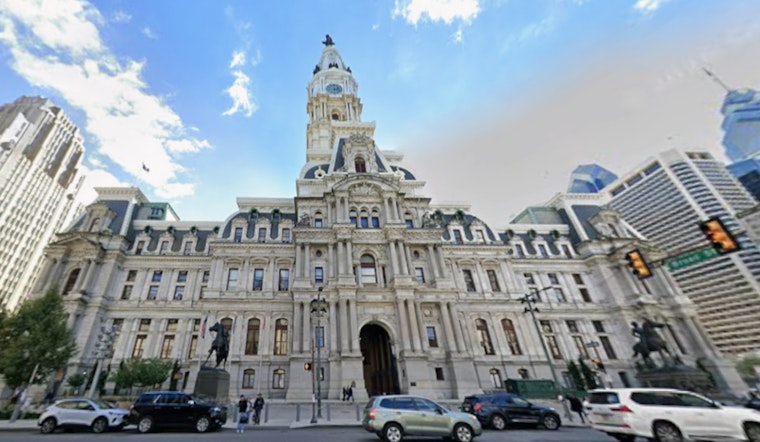
Philadelphia’s simmering fight over driverless rideshare cars boiled over at City Hall on Tuesday, as City Council members joined forces with rideshare drivers and labor advocates to demand straight answers on safety and jobs. At the center of the debate is a simple question with big implications: Should autonomous vehicles be allowed to spread across city streets without stronger crash reporting, local oversight and worker protections in place first? With robotaxi tests already quietly rolling on local roads, councilmembers argued the city needs firm rules before any large-scale expansion.
Councilmember Jim Harrity led the charge. Organizers held a pre-hearing press conference at 9:15 a.m., just ahead of a 10 a.m. joint committee hearing focused on driverless service. Speakers said they planned to spell out the "real-world consequences" for workers and public safety if driverless rides expand without city-level accountability, according to 6abc.
Council Resolution And The Hearing
The City Council scheduled a joint hearing of the Committees on Labor & Civil Service and Transportation for 10 a.m. in Room 400 at City Hall to examine the arrival of driverless rideshare vehicles, per the Council meeting agenda posted by Philadelphia City Council.
The inquiry stems from a resolution passed earlier this year that urges the Pennsylvania General Assembly to perform a formal safety and labor-impact review and to set up a regulatory framework before any wider deployment. That push is detailed in the Council’s legislation files, including File 260089, available from Philadelphia City Council.
Waymo's Tests And State Rules
Waymo and other autonomous vehicle operators have already been running tests across Philadelphia as they work to validate their systems for city driving. The company has shifted into autonomous testing phases with specialists remaining in or near the vehicles, and is preparing for expanded service in the city, NBC10 reported.
State regulators are watching closely. The Pennsylvania Department of Transportation oversees certification and permitting for highly automated vehicles, and a recent report on Act 130 details the reporting, certification and data requirements that officials say are core to any safe rollout, according to PennDOT.
Workers' Concerns
Council sponsors and drivers warned that the technology could upend the livelihoods of thousands of gig workers who rely on driving income. The city was estimated to have roughly 60,000 driving-based gig workers, and Harrity argued that clear transition plans and stronger local oversight need to be in place before robotaxis move in.
"Technology is always good and understanding how it can be helpful to us is one of the reasons why we want to have this hearing," he said, according to PhillyVoice.
Industry Response
Waymo and its allies counter that the story is not simply about lost driving shifts. They argue that robotaxi programs create new operations and maintenance roles and say their data from other markets shows safety benefits compared to human drivers.
"The fleet depends on a significant workforce of vehicle technicians and fleet managers," a Waymo spokesperson told PhillyVoice, adding that the company expects to invest in local jobs as it scales.
What Comes Next
Councilmembers said the hearing is designed to pull together evidence and testimony that could shape formal recommendations to the state or demands for tougher reporting rules and greater local authority over driverless deployments. Officials said they plan to keep weighing innovation against worker protections as they decide their next steps.
The Council posts stated meetings, agendas and follow-up materials on its website, and residents can track testimony and filings through the Council calendar at Philadelphia City Council.





