

























































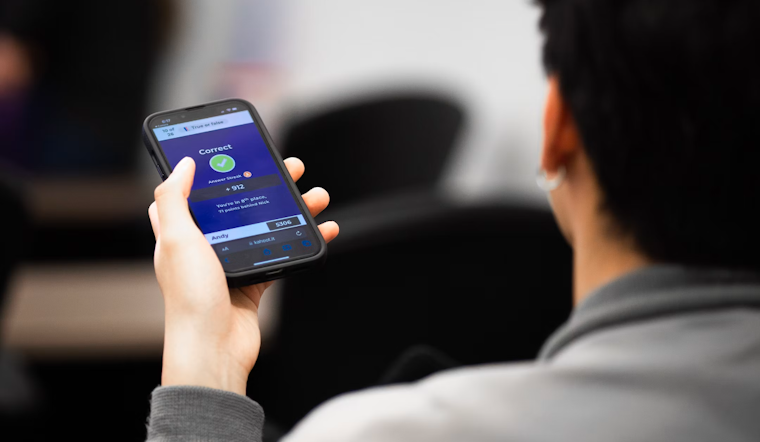
In Pittsburgh schools, the tug-of-war over student cellphones has moved from the classroom to the Capitol, as frustrated parents and teachers press state lawmakers to finish a statewide "bell-to-bell" ban that would keep phones put away for the entire school day. Fourth-grade teacher and local school board member Angela Girol told reporters that educators are increasingly acting as hallway phone cops instead of instructors, and supporters say a simple, daylong rule would replace a confusing patchwork of classroom-only restrictions that many districts struggle to enforce.
Where the bill stands
Senate Bill 1014, sponsored by Sen. Devlin Robinson, would require each school entity to adopt a bell-to-bell mobile-device policy by the start of the 2027-2028 school year, according to the Pennsylvania General Assembly. The measure passed the Senate overwhelmingly in February, then moved through House committees and was recently re-referred to Appropriations after amendments, as reflected in legislative records from LegiScan.
Teachers and parents want action
Teachers and parents told TribLIVE they are "fed up" with TikTok, Snapchat, and other apps pulling students out of lessons. State Rep. Mandy Steele, who is backing a House companion bill, said "we've got to move one of these bills and do it fast," while Girol described students as young as 9 and 10 who struggle to put their devices away. Supporters say those on-the-ground accounts helped convince legislators that a clear statewide standard is needed instead of leaving every district to improvise its own rules.
How common are bell-to-bell bans?
Across the country, momentum for full-day restrictions has been building. Stateline reports that about 38 states and Washington, D.C., now impose some limits on student phone use, and roughly 18 states plus D.C. have adopted full bell-to-bell bans. Public opinion seems to be shifting in the same direction: a poll by the Pew Research Center found that about 74% of U.S. adults support banning cellphones during class for middle and high school students.
What's in the bill
The bill says school entities must prohibit mobile-device use during the school day, but it also spells out several exceptions, according to the Pennsylvania General Assembly. Students could use devices for documented medical needs, under IEP or 504 accommodations, for approved English-learner translation, or for specific instructional uses authorized by the school. The proposal clarifies that schools are not required to physically take possession of students' devices. It would also require districts to post their policies publicly and provide staffed contact options for parents during the school day, with a compliance deadline at the start of the 2027-28 school year.
Lawmakers clash over details
Not everyone in Harrisburg is happy with how the bill has been tweaked. Sen. Devlin Robinson told reporters he is "not thrilled with the amendment and don't believe it improves the bill," while supporters of the changes argue they add needed flexibility for students with special circumstances, according to TribLIVE. That tension between strict statewide rules and local discretion, along with specific carveouts, is shaping the final negotiations over how any new law would actually play out in real classrooms.
What’s next
The measure has cleared the Senate and survived House committee work, but it remains on the House calendar and was re-referred to Appropriations after recent votes, according to the Pennsylvania General Assembly. If the House approves a final version and it becomes law, school boards would have until the 2027-28 school year to adopt or update their policies. In the meantime, Pittsburgh teachers say they will be watching closely to see whether a bell-to-bell ban calms their classrooms or simply hands them a new set of enforcement headaches.





