

























































Greentown residents got an unexpected brush with the wild and weird this weekend when two unusually pale fawns were pulled from danger in the Poconos and whisked to a local wildlife rehabilitation center. The siblings, nicknamed Dipper and Mabel, sport a striking white‑to‑cream coat consistent with leucism, a rare genetic condition. Both are now under close observation as rehabilitators treat their injuries and shore up their nutrition. Once they are strong, healthy, and able to fend for themselves, staff say the goal is to send them back into the wild where they belong.
According to CBS News Philadelphia, the two leucistic fawns were found in Greentown and transported to The Wilderz at Pocono Wildlife for treatment. Volunteers and staff at the center dubbed the youngsters Dipper and Mabel, and caretakers told the station the animals will be released once they recover. In CBS' video, clinic staff can be seen moving the fawns into sheltered bedding and checking them for visible injuries. The station did not report who discovered the animals or precisely when they were found.
What Is Leucism And Why It Matters
Leucism is a genetic condition that reduces pigment across an animal’s body, which can leave deer looking all white or patchy while their eyes stay a normal color. That kind of high-contrast look may be easy on human observers but not so great for staying hidden from predators or avoiding human threats. As The Nature Conservancy's Cool Green Science explains, most “white deer” people spot are leucistic rather than truly albino, and while leucistic animals typically do better than albinos, they still face real survival challenges.
How The Wilderz At Pocono Wildlife Is Helping
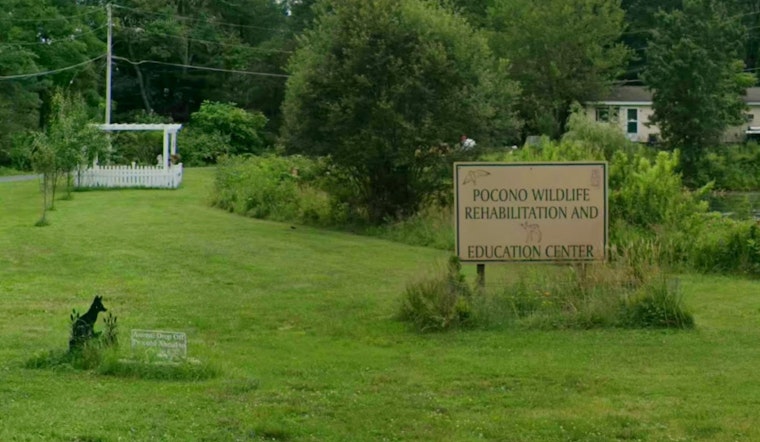
The fawns are now in the care of The Wilderz at Pocono Wildlife, a Pennsylvania-licensed rehabilitation center that reports helping thousands of animals each year. The organization’s website describes how staff and volunteers triage injured or orphaned wildlife, provide medical care, and prepare animals for release whenever possible. The center also shares regular baby-season updates and urges the public to reach out before stepping in with young wildlife, in order to avoid unnecessary human imprinting that can complicate an animal’s return to the wild.
Found A Fawn? What To Do
Rehabilitators stress that a lone fawn is not automatically an orphan. Does routinely leave their young stashed in grass or brush while they go off to feed, so grabbing the baby and offering snacks is usually the wrong move. As The Wilderz at Pocono Wildlife notes on its emergency guidance, people who are worried about a fawn should call the center’s main line first, then its director contact numbers, for real-time advice. The group also recommends reaching out to Wildlife in Need or the Pennsylvania Game Commission if staff cannot be reached, so that animals that truly need rehabilitation get help while healthy youngsters are left safely in place.





