

























































Gov. Jared Polis on Friday vetoed House Bill 26‑1005, once again halting a bid to scrap Colorado’s unusual second‑election requirement tied to union security agreements. The move landed just as lawmakers closed out the session, instantly drawing fire from labor groups and cheers from business advocates.
What the bill would change
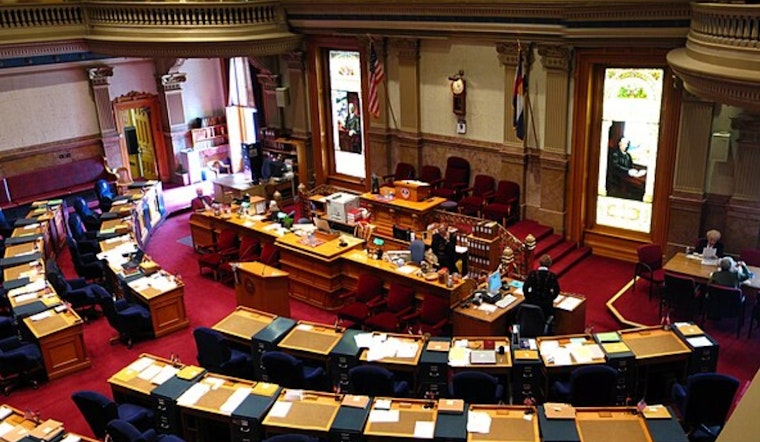
According to the Colorado General Assembly, House Bill 26‑1005 aimed to remove a key piece of the state’s Labor Peace Act: a separate election that must hit a 75% threshold before unions can negotiate mandatory union‑security arrangements. The bill also sought to clarify what counts as good‑faith bargaining. It passed on party lines, with the House voting 42‑22 and the Senate 23‑12, then headed to the governor’s desk. Prime sponsors included Rep. Javier Mabrey and Sen. Jessie Danielson, and the bill text and vote record are posted on the legislature’s site at the Colorado General Assembly.
Polis' reasoning
In his veto letter, Polis said he supports updating Colorado’s labor framework but would not scrap the second vote without a broader compromise that locks in long‑term certainty. He wrote that he was “dismayed that both business and labor leaders failed to do so,” according to The Colorado Sun. The governor also warned that the same fight is likely to return next year, keeping workers and employers in a holding pattern.
Labor reaction
Labor leaders blasted the veto as a direct blow to organizing efforts. Stephanie Felix‑Sowy, president of SEIU Local 105, labeled the decision “an assault on democracy” and said unions will keep pressing for reform, according to The Colorado Sun. Unions have also signaled they are ready to pivot to ballot measures or another legislative push if the governor’s office continues to be a dead end.
Business groups praise veto
Business groups quickly lined up behind the veto, arguing it preserves a crucial check for workers who do not want mandatory dues pulled from their paychecks. The Denver Metro Chamber said it was “grateful to Governor Polis for his leadership” and urged lawmakers to maintain stability in the Labor Peace framework in a statement on Friday. Chamber officials argued the 75% requirement keeps a slim majority from forcing payroll deductions on reluctant employees. The group’s reaction is detailed by the Denver Metro Chamber.
What comes next
Sponsors and pro‑union lawmakers say they are not dropping the issue and will revive it in 2027, hoping a future governor is more open to their approach. Supporters are preparing to keep the pressure on through the next legislative session or through ballot campaigns, according to Colorado Politics. With Polis's term‑limited, they see the governor’s office as the most likely pathway for a major change in labor law.
Why the law matters
Colorado’s Labor Peace Act dates back decades and makes the state an outlier by requiring a second, supermajority vote before unions can start charging fees to all employees. Backers say that the rule protects individual worker choice. Critics counter that it hands employers extra time to undermine organizing drives. The bill’s sponsors argue that the additional hurdle has held down private‑sector unionization and weakened workers’ bargaining power. Official bill language and the full legislative record are posted by the Colorado General Assembly.





