

























































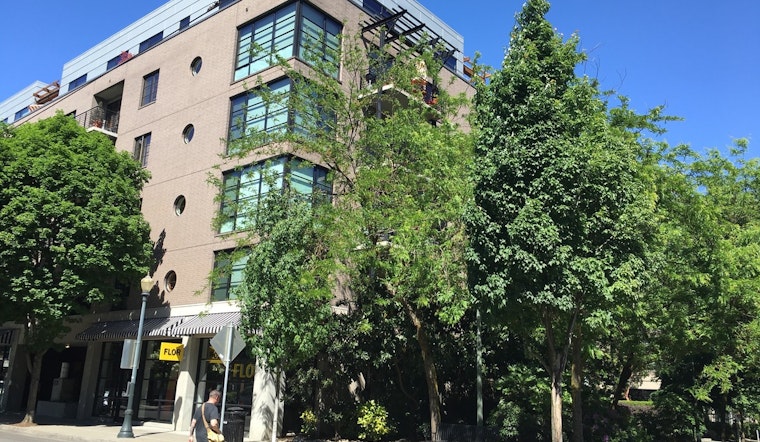
Portland is gearing up for a major rewrite of its Tree Code, and city officials say it is about far more than trimming branches. The planned overhaul of Title 11 is pitched as a way to protect and grow Portland's urban forest, close glaring tree-canopy gaps between neighborhoods, and toughen the city's climate resilience as heat, pests and development pressures ramp up. The Urban Forestry Commission is set to get an early public briefing on the project at its May 21 meeting.
According to the project's overview on the City of Portland website, this 2026 Title 11 update will build on the Portland Urban Forest Plan and focus on more equitable canopy, public health and climate resilience, clearer roles for city bureaus, and regulations that are easier to navigate. Staff are planning a phased, multi-year run of research, stakeholder conversations and impact analysis that is expected to take about two years. The city says it wants public feedback throughout, so people who live and work in different parts of Portland can weigh in on what the new rules should look like.
Urban Forestry Commission To Hear Update May 21
Portland Parks & Recreation announced the effort in a May 14 Facebook post, flagging the coming policy reboot for anyone who cares about either trees or permits, or both. The post notes that the Urban Forestry Commission's May 21 meeting will feature the latest project briefing along with details on how the public can offer input; see Portland Parks & Recreation.
What The Update Aims To Change
The Title 11 review follows last fall's adoption of a refreshed Urban Forest Plan that set tree-planting and equity targets and identified the code as a key lever for hitting those goals. As reported by goal to close canopy gaps in historically underserved neighborhoods, the plan also includes funding commitments aimed at backing up those ambitions.
City staff say the code update will search for new or sharper tools to preserve existing large trees, increase planting in low-canopy parts of town, and make it easier for both homeowners and developers to understand and follow the rules. The balance they are trying to hit is familiar: keep more trees in the ground while keeping the system at least somewhat predictable for people trying to build, remodel or maintain property.
Legal And Practical Impacts For Homeowners And Builders
Right now, Title 11 sets out size thresholds that trigger tree permits, categories for different permit types, and mitigation fee structures that can kick in when trees are removed. Future updates could adjust those thresholds or create new exemptions or requirements.
Per Title 11 (City Code), any amendments to the Tree Code would change regulatory obligations for property owners and could influence development plans, permit timelines and mitigation costs. Exactly how that plays out will depend on staff proposals, impact studies and public feedback that are expected to surface later this year.
Project documents and updates will be posted on the city's tree-code project page and included in Urban Forestry Commission agenda packets. Questions and comments can be emailed to [email protected]. City staff say they expect to bring more detailed code-change proposals out for public review in Summer 2026 as Phase 2 of the work moves ahead.




