

























































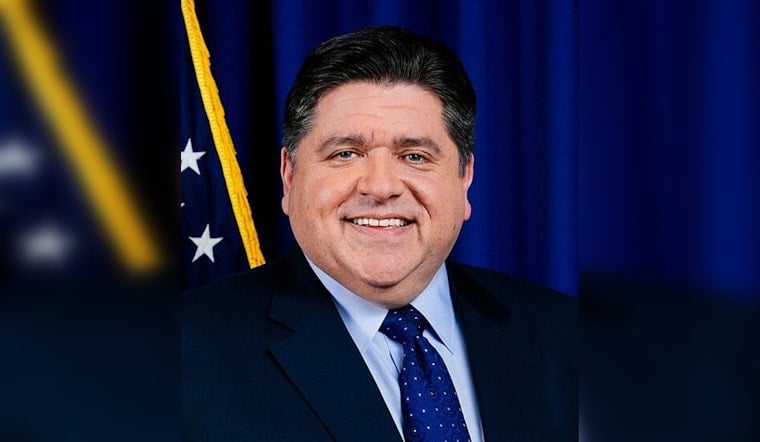
A confidential recommendation on whether Larry Hoover should walk free is now sitting on Gov. J.B. Pritzker’s desk, forcing the governor to decide the future of one of Chicago’s most notorious gang figures. Hoover, the former leader of the Gangster Disciples, has been locked up for more than five decades and is asking the state to commute or pardon his 1973 murder conviction.
Board Sends Recommendation To The Governor
The Illinois Prisoner Review Board held a public clemency hearing for Hoover on April 7 and has now confirmed that it sent confidential recommendations to the governor, according to the Chicago Sun-Times. A board spokesperson told the paper that recommendations from the April docket are typically delivered to the governor within 60 days.
Convictions And A Federal Commutation
Hoover was convicted in 1973 of ordering the killing of 19-year-old William "Pooky" Young and was handed a 150-to-200-year Illinois sentence. Decades later, a federal jury found him guilty in a wide-ranging criminal-enterprise case and he received life terms, according to AP News. In May 2025, President Donald Trump commuted those federal sentences, leaving Hoover’s state murder term in place and shifting any remaining hope of relief to Springfield.
Supporters And Critics Line Up
The clemency drive has drawn high-profile support, including the Rev. Michael Pfleger and activist Ja’Mal Green, who argue that Hoover is rehabilitated and in poor health. Prosecutors and the Cook County state’s attorney have urged Pritzker to deny clemency, and local reporting has detailed both the endorsements and the opposition, per the Chicago Sun-Times.
How Clemency Works In Illinois
Under Illinois law, petitions for pardons, commutations or reprieves go first to the Prisoner Review Board, which holds hearings and makes confidential recommendations to the governor. The statute provides that "the Governor shall decide each application," and the board then notifies the petitioner, according to the Illinois Compiled Statutes. That setup gives the governor broad discretion and sets no fixed deadline, which means no one outside the governor’s office can predict when a decision will land.
Political Stakes For Pritzker
The choice carries obvious political risk. Local coverage has noted that Pritzker is up for reelection this year and that any call he makes on Hoover could affect his standing well beyond Springfield, according to the Chicago Tribune. That political math is expected to shape not only what Pritzker ultimately decides, but how long he takes to weigh the board’s advice alongside the views of victims’ families and law-enforcement leaders.
Next Steps And What To Expect
With the board’s recommendation now submitted, Pritzker can accept it, reject it or modify it. If clemency is granted, the Prisoner Review Board and corrections officials would handle the mechanics of release or resentencing, as CBS Chicago explained when Hoover’s petition was first reported. Victims’ relatives and advocacy groups, already active at the board hearings, remain vocal as the governor deliberates.
How quickly Pritzker will act is still unknown. The board’s recommendation is confidential, and the governor’s office has not offered a timetable. In the meantime, both Hoover’s supporters and his opponents say they will keep pressing their case in Springfield while they wait for a final word.





.jpg)