

























































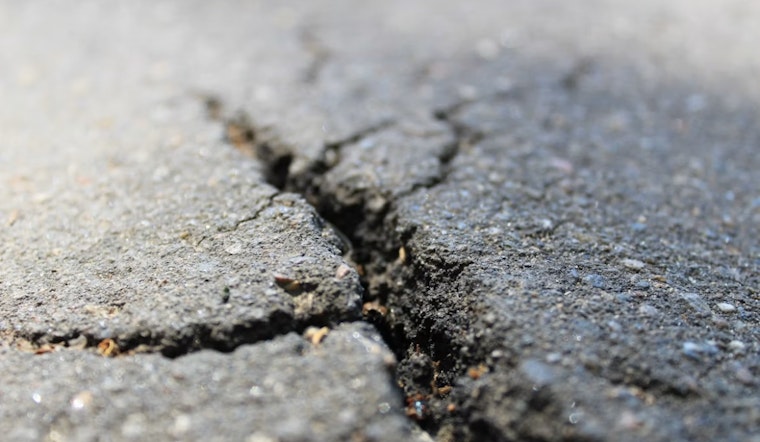
A brief swarm of small earthquakes gave the South Bay a literal shake-up during KTVU’s morning newscast, as on-air anchors paused to acknowledge the live tremors. Residents in and around Gilroy and parts of San Jose reported light shaking while videos and messages about the rattling circulated online.
KTVU's ongoing coverage has pointed back to recent shaking in the same area, including a late November swarm that topped out at about magnitude 4.0 southeast of Gilroy. That sequence also included 2.7- and 3.6-magnitude quakes in quick succession and, despite the flurry, there were no immediate reports of structural damage. As reported by KTVU, crews checked the area after those shakes. A separate March 17 event - a 3.4-magnitude temblor near Gilroy - was also recorded earlier this year, according to SFGATE.
What seismologists say
Experts note that earthquake swarms are usually clusters of smaller quakes caused by stress readjusting on local faults or by fluid movement underground, rather than a clear warm-up act for something bigger. "As an individual, you can use it to drop, cover and hold on," Berkeley Seismological Laboratory director Richard Allen said, according to UC Berkeley News. Seismologists say swarms are worth monitoring, but emphasize that most do not culminate in a major earthquake.
How to prepare
State and local agencies keep pushing the same straightforward advice: secure tall or heavy furniture so it does not topple, keep an emergency kit stocked, and make a family plan for where to meet and how to communicate after a quake. The California Earthquake Early Warning page lists apps and resources, including ShakeAlert and MyShake, that can provide seconds of warning and instructions for what to do as the shaking starts, according to California Earthquake Early Warning.
What to watch next
As the latest cluster settled down, officials had not reported major damage while the region checked for impacts. KTVU reported that crews and city agencies were monitoring infrastructure after the most recent shaking. Residents can track live seismic activity on the USGS earthquake map and log their own experiences through the USGS "Did You Feel It?" system, tools that help scientists follow the cluster in real time. The USGS and KTVU are continuing to provide coverage and updates.





