

























































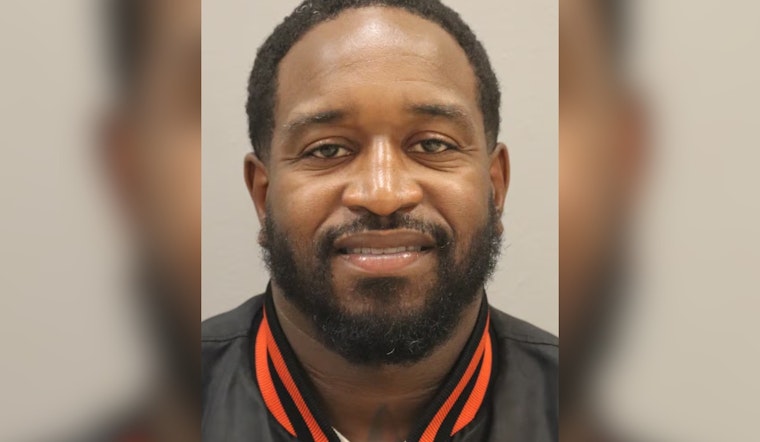
The estate of cadet Symeon Williams has filed a wrongful-death lawsuit that accuses the City of Cleveland and a fire-training lieutenant of racial hazing that it says helped set the stage for his death during academy drills last year. The complaint names Lt. Vincent Russo and says Williams, one of only two Black cadets in his class, was singled out for punitive treatment. Williams collapsed during a physical training session on May 16, 2025, and later died at MetroHealth Medical Center.
What the lawsuit claims happened at the academy
According to WOIO, the filing says Williams was subjected to “extra physical activity,” “physical punishment,” denial of proper hydration and rest, and multiple days of cumulative, overly rigorous activity that the complaint describes as intended to humiliate him and drive him out of the academy. The suit further alleges the hazing was motivated in whole or in part by the cadet’s race and age and that the defendants knew prior similar conduct risked serious injury. The complaint, lodged in Cuyahoga County Common Pleas Court on May 14, names the City of Cleveland and Cleveland Fire Training Academy Lt. Vincent Russo as defendants.
The training day that ended in tragedy
Williams, 39, previously worked for Cleveland EMS, Port Control and the Sanitation Department before entering the 40th Fire Training Academy class on April 14, 2025, according to reporting by FireRescue1. Near the end of the academy’s fifth week, he collapsed during a physical training drill, was treated on scene by Cleveland Fire and EMS, and was taken to MetroHealth, where resuscitation efforts were unsuccessful. The department and his classmates publicly mourned the cadet last year, an episode chronicled in local coverage and in Hoodline's previous reporting on his funeral.
The medical examiner’s finding and why it matters
Per WOIO, the Cuyahoga County Medical Examiner later listed the cause of death as “natural” and cited an anomalous origin of a coronary artery. Medical literature shows that congenital coronary-artery anomalies, while uncommon, are a recognized cause of exertion-related cardiac arrest and sudden death, particularly during intense physical activity; clinicians and reviewers have flagged those anomalies as a known, if rare, risk. That medical finding is likely to be a central factual battleground in the case: plaintiffs will argue that any hazing materially contributed to a fatal exertional event, while defendants may point to the examiner's natural-cause determination.
How the case moves through court
The suit is pending in the Cuyahoga County Court of Common Pleas. The county court's website outlines the typical civil track after a filing, including service of process and an initial period of written discovery. Once defendants are served, the city will have an opportunity to answer and raise threshold motions. Discovery would be the phase where training records, internal communications, and medical documentation could become public. How each side handles causation evidence, including medical records, expert reports, and witness testimony, will shape whether the case settles, survives early motions, or proceeds to trial.
City, union and community response
City officials and the IAFF Local 93 union have expressed sorrow and pledged support for Williams’ family. Mayor Justin Bibb said he was "absolutely devastated" and vowed to make sure Williams' legacy is remembered, as reported in coverage of how community and officials grieve the loss. Fire Chief Anthony Luke and Safety Director Wayne Drummond issued statements offering condolences and support to the cadet’s loved ones and classmates. Williams left behind two children, a fact leaders and colleagues have repeatedly highlighted while expressing sympathy.
What to watch next
Expect initial filings and procedural motions to hit the county docket in the coming weeks, and for both sides to seek internal training records and communications as part of discovery. Trade and national reporting on recruit and academy fatalities shows such cases often prompt reviews of screening, hydration, and rest policies, as departments reassess training practices after a death. We will monitor court filings and statements from the city and union and update coverage as new records or motions are filed.





