

























































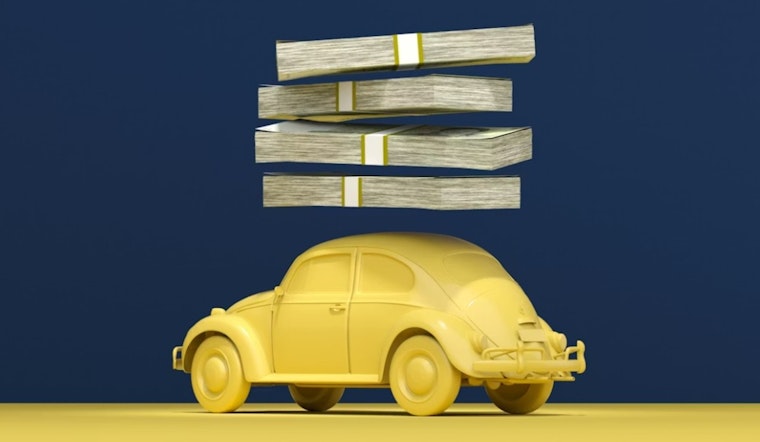
Raleigh drivers are watching their car costs hit the gas, and not in a fun, Sunday-drive kind of way. Between fattened monthly payments, climbing insurance premiums and repairs that feel more like mortgage checks, many Triangle households say they are shelling out thousands more each year just to keep their wheels on the road. That sticker shock is pushing some to hang onto older cars longer and postpone buying a replacement.
State-level data show just how steep it has gotten. The average monthly payment for a new vehicle in North Carolina is $742, and $590 for a used car, according to Edmunds figures reported by Axios. Higher sticker prices combined with elevated interest rates are driving those payments up statewide, which leaves many drivers juggling basic bills while trying to avoid new-car debt.
Index Shows Ownership Costs Have Jumped
The Cost of Car Ownership (COCO) Index from Navy Federal Credit Union paints a rough picture for anyone with a set of keys. The index rose about 40.6% from January 2020 through August 2025, with repair costs up roughly 69% and insurance up about 57% in that period, according to Navy Federal Credit Union. Navy Federal notes that these jumps in repairs and insurance, on top of higher car prices themselves, are a big reason household budgets are feeling so tight.
Used-Market Tightness And Older Cars Are Adding Pressure
On the used side, the market is not doing drivers many favors. Wholesale and dealer data show limited used inventory and stubbornly firm prices. Cox Automotive's March analysis found used-vehicle days' supply at historically low levels and wholesale values climbing, a sign that dealers are selling cars faster than they can restock them, according to Cox Automotive.
At the same time, the vehicles people are driving are older than ever. S&P Global Mobility reports that the average vehicle on the road has hit a record age of roughly 13 years. That means more wear and tear, more maintenance and bigger repair bills for households trying to squeeze extra life out of aging rides rather than jumping into an even pricier car note.
Surveys Show Drivers Will Cut Elsewhere To Keep Cars
Despite the higher costs, most people are not ready to part with their vehicles. A recent survey of middle-income Americans filed with Santander and reported by Axios found that 71% of respondents would trim other parts of their budget to keep a car, and 79% rely on a vehicle to get to work. That helps explain why demand has stayed steady even as owning a car feels more and more like a luxury purchase.
Policy Moves Aim To Shave Some Costs
State officials are trying to slice at least a sliver off what drivers pay each year. North Carolina leaders have asked the EPA to sign off on ending annual emissions testing in most counties, a change the agency has signaled it supports. The state estimates the move would save drivers nearly $20 million a year, according to WRAL.
The proposal would not scrap required safety inspections, so cars would still have to clear basic checks before they hit the road. Environmental groups, however, warn that dropping broad emissions testing could make it tougher to manage air quality in fast-growing metro areas like the Triangle.
What Drivers In The Triangle Can Do Now
For now, experts say the most practical moves are the unglamorous ones. That means shopping around for better financing and insurance rates, staying current on preventive maintenance to avoid catastrophic repair bills later and considering late-model used vehicles that may carry lower monthly costs than a brand-new car.
In the short term, how painful it feels to own a car around Raleigh will depend heavily on what happens with used inventory and insurance pricing over the summer. If supply loosens up and insurers ease off, Triangle drivers might get a little breathing room. If not, plenty of locals will keep nursing older cars along and hoping their check-engine lights stay dark a little longer.





