

























































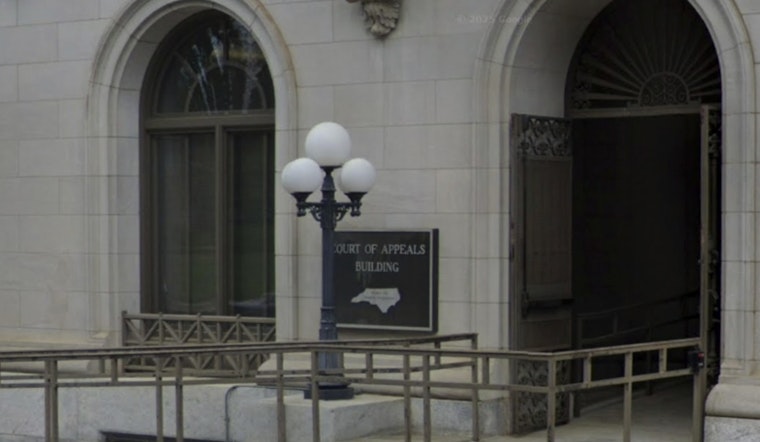
A three-judge panel of the North Carolina Court of Appeals has shut down an attempt to carve a state constitutional right to "fair elections" out of existing language, delivering a unanimous 3-0 loss to voters who argued that the latest political maps were engineered to lock in partisan power. The panel on Wednesday left a lower-court dismissal in place and said the claims raised a political question that courts in North Carolina are not allowed to referee.
In an unpublished opinion filed May 20, 2026, Judge Chris Freeman wrote that "Plaintiffs’ claim presents a nonjusticiable political question and is therefore beyond the reach of this court," according to the North Carolina Court of Appeals. The panel concluded that even though the plaintiffs tried to ground a new, unenumerated right to "fair elections," their theory still boiled down to a partisan-gerrymandering challenge that North Carolina courts have already been told they cannot decide.
The lawsuit was led by former state Supreme Court Justice Bob Orr, who told the News & Observer that the ruling "essentially confirmed that the citizens of North Carolina have no constitutional right to fair elections." Orr and the complaint alleged that legislators packed voters into specific congressional and legislative districts to favor one party, a theory tracked by Democracy Docket.
What the court relied on
The appeals panel leaned heavily on the state Supreme Court’s 2023 Harper v. Hall decisions, which held that partisan-gerrymandering claims present a political question that is not readily workable under judicial standards, according to the North Carolina Judicial Branch. Because Harper limits judicial review where there is no explicit constitutional text on point, the appeals court said Orr's "fair elections" theory did not supply a clear, manageable legal standard that would authorize judges to redraw districts.
The complaint, filed in January 2024, singled out congressional districts including the 6th, 13th and 14th, as well as state House District 105 and Senate District 7, and pointed to legislation enacted in October 2023 that set the new lines, the appellate opinion notes, according to the North Carolina Court of Appeals. Plaintiffs alleged those changes were made with the intent "to assure ... a political victory" for one party; the panel concluded that allegation still fit within the partisan-gerrymandering framework that courts have declined to police.
Legal implications for elections
Orr said he had not yet discussed an appeal with his clients, leaving open whether the fight will go to the state Supreme Court, the News & Observer reports. Unless the higher court charts a different course or lawmakers change state law, the decision reinforces a hands-off judicial posture that leaves partisan mapmaking largely to the General Assembly, the same posture the Harper rulings cemented, according to the North Carolina Judicial Branch.
Advocates for map reform said the ruling narrows the remaining paths for courtroom challenges and shifts pressure back to voters and legislators ahead of the 2026 election cycle, according to Democracy Docket. For now, the Court of Appeals decision keeps the General Assembly's districts in place and leaves the scope of any future judicial remedies unresolved.



