

























































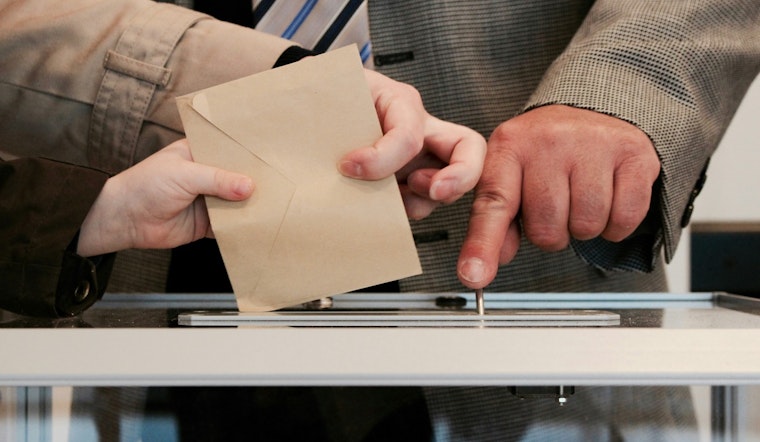
North Carolina’s election referees are kicking off a rulebook rewrite that could have real consequences for whose votes count this fall. The State Board of Elections has opened a public comment period on a slate of proposed rules that would tweak how absentee ballots, voter ID exceptions and recounts are handled. One of the biggest flashpoints: a change that would make it easier for county boards to disqualify ballots when voters do not provide a photo ID. The board has set in-person hearings for June and will accept written comments through July 14.
Photo ID rule would lower the standard for tossing an exception ballot
Right now, county boards must be unanimous to decide that a voter’s ID-exception affidavit is “false.” Under the new proposal, a simple majority would be enough, so three members out of five could vote to throw out an exception ballot. The draft rule also says boards must spell out their reasons in writing and must notify affected voters, giving them a chance to appear and respond before a final decision. The rule text and the comment process are laid out in the board’s public notice, according to the State Board of Elections.
Absentee ballots: curable problems and quick reviews
For mail voting, the proposal would put county staff on a tight clock. Election workers would have to review incoming absentee ballots within one business day and reach out to voters if they spot fixable issues. The draft rules spell out the difference between “curable” problems, like signing in the wrong spot or forgetting to include a copy of a photo ID, and “non-curable” problems that would cause a ballot to be rejected, such as an unsealed envelope, a signature that does not appear to match, or a missing witness or notary. Those details were reported by The News & Observer, which reviewed the proposed language.
Recounts and rules for conduct at polling sites
On the recount front, the State Board wants to tighten up who touches the ballots and when. Four-person hand-recount teams would have to include at least one member from each of the two largest political parties, and counties would get an extra business day, from two to three, to schedule a hand recount. Machine recounts would be handled by bipartisan, two-person teams assigned to each tabulator, and officials would be required to either count or duplicate any ballots that the machines kick out.
The same rulemaking package also reaches beyond the count and into the parking lot. A separate proposal would ban amplified sound outside voting sites and give poll-site judges the power to remove devices or people if the noise can be heard inside the polling place. The full text of the recount and conduct rules, along with explanations of the changes, is posted on the State Board rulemaking page.
How to weigh in
Voters and advocacy groups have a two-month window to sound off. Public comment on all four rule packages runs from May 15 through July 14. Feedback can be submitted online, by emailing [email protected], or by mailing the rulemaking coordinator.
The board has also scheduled four in-person hearings in Raleigh, all in the Board Room at the Dobbs Building, 430 N. Salisbury St. The June 8 hearing will cover recounts, June 9 will focus on photo ID, June 22 will take up absentee voting, and June 29 will address conduct at voting sites. Local coverage has pulled together the links and submission options; WECT has a summary of dates and how to submit comments.
Who would feel the change, and why advocates are alarmed
In practice, the photo ID shift would land in the lap of county boards that are usually made up of three Republicans and two Democrats. Dropping the standard from unanimous agreement to a bare majority would make it easier for the three-member partisan majority to overrule the two-member minority on whether a voter’s ID exception counts.
Voting-rights advocates are not thrilled. Groups such as the League of Women Voters of North Carolina have urged residents to weigh in, arguing that scrapping the unanimity requirement would put absentee voters at higher risk, especially those with disabilities, people dealing with natural disasters or others who have legitimate reasons for not providing a photo ID. The League of Women Voters of North Carolina has posted guides and talking points for anyone planning to comment.
Once the comment period closes on July 14, the State Board will review the feedback, consider revisions and decide whether to adopt the rules. Any approved changes then head to the Rules Review Commission for a final sign-off before taking effect. For voters trying to keep track of the moving parts, local summaries and the board’s own postings include the official notices, draft text and links to comment portals; WECT offers an accessible roundup of how to participate.



