

























































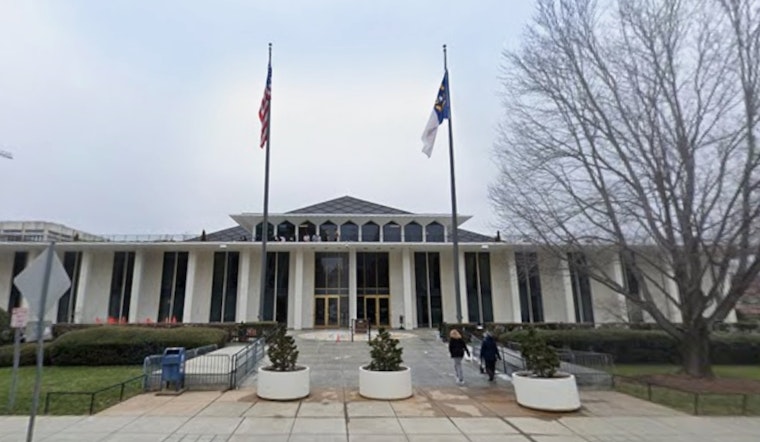
Republican leaders at the North Carolina legislature have dropped a political quadruple play, filing four proposed constitutional amendments that could land on the Nov. 3, 2026 general election ballot if lawmakers sign off. The package would cap the state’s individual income tax at 3.5%, write a "right to farm" into the constitution, cement right-to-work language and require the General Assembly to put a lid on how much local property tax levies can grow. Backers say they are trying to lock in popular policies. Critics say the moves would box in future legislatures and local governments. The amendments surfaced alongside a budget framework that Republican leaders describe as a broader spending deal that already assumes the ballot measures are in play.
Senate leaders filed three of the amendment proposals and House Republicans filed the property tax measure, according to The News & Observer. Senate Democratic leader Sydney Batch warned the tax cap could backfire in a fast-growing state, saying, "We are going to be stuck at 3.5% in one of the fastest-growing states in the entire country." Senate leader Phil Berger countered that he "has a lot of confidence" economic growth will make up for any lost revenue.
Tax changes: a 3.5% cap and limits on local levies
Senate Bill 1080 would amend Article V of the state constitution to set a new maximum individual income tax rate of 3.5%. The bill was filed May 13 and is now in committee, according to the official summary on the General Assembly website. North Carolina’s current flat income tax rate is 3.99% and, under the budget framework, is already scheduled to fall to about 3.49% in 2027, per WUNC. The amendment would prevent any future legislature from nudging that rate back above 3.5% without another constitutional change.
On the property tax front, House Bill 1089 would add language to the constitution instructing the General Assembly to pass general laws that limit how much local property tax levies can increase. The proposed amendment text, including the directive on local limits, is posted on ncleg.gov.
Right to farm and right to work
Two other Senate bills aim to elevate existing policy into constitutional rights, according to NC Newsline. Senate Bill 1081 would guarantee the public’s ability to cultivate crops, raise livestock and harvest timber as a constitutional "right to farm." Senate Bill 1082 would add language declaring that "the exercise of the right to work must be protected and maintained free from undue restraints and coercion," effectively constitutionalizing right-to-work protections that already exist in state law.
Supporters argue the farm and labor amendments are common-sense shields for key parts of North Carolina’s economy and workforce. Critics counter that the measures mainly lock in statutes that are already on the books and are calibrated to energize conservative voters when they head to the polls this fall.
Timing, vote math and local concerns
Any constitutional amendment in North Carolina must clear a high bar before voters even see it. As EdNC explains, amendments need a three-fifths vote in both the House and the Senate to reach the ballot. That math is tight. Republicans hold a three-fifths majority in the Senate but are one vote short of that threshold in the House, so GOP leaders will need at least one Democrat or an independent to cross the aisle for any of the four questions to advance.
Local officials and municipal groups are especially wary of the proposed property tax limits, warning that hard constitutional caps on levies could squeeze budgets for schools, roads and emergency services. Those concerns surfaced in committee hearings and were reported by WRAL, with city and county leaders cautioning that they would be left with fewer tools to respond to growth, inflation or emergencies.
Lawmakers say they plan committee hearings and votes in the coming weeks. If the proposals clear the supermajority hurdle, they will appear as constitutional referenda on the Nov. 3, 2026 ballot. Between now and then, voters and local governments will be weighing whether these amendments mostly formalize the status quo or lock in long-term limits on how North Carolina raises money, funds services and regulates agriculture and labor.





