

























































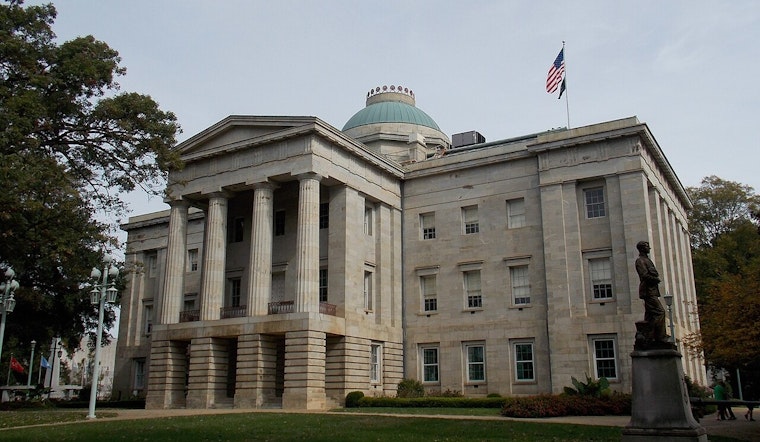
Democratic lawmakers, backed by a national network of wealthy donors, rolled out a fresh push this week to slap a seven percent top tax rate on North Carolinians earning more than $1 million and steer the new money straight into public schools. Supporters are selling the surtax as a direct way to plug long-running classroom funding gaps they blame on years of state tax cuts, while critics dismiss it as a political nonstarter in a legislature controlled by Republicans. The rollout mixed a state Capitol press conference in Raleigh with door-knocking in Fayetteville, as sponsors stressed that every new dollar is supposed to go to teachers, supplies and other school needs.
What the bill would do
House Bill 1073, called the Fair Share for Public Schools Act, would tack on a seven percent income tax to any North Carolina taxable income above $1,000,000 and send the resulting revenue to the State Public School Fund. The bill also authorizes the Department of Revenue to keep up to $100,000 per year to cover administrative costs and carves the new rate out of the automatic tax reduction triggers that apply elsewhere in state law. Filed on April 28, the proposal is written to kick in for tax years beginning Jan. 1, 2026, according to the North Carolina General Assembly.
Backers and the pitch
The national group Patriotic Millionaires fronted the public campaign, sending volunteers to knock on doors in Fayetteville while lawmakers took to the microphones in Raleigh. Supporters say the surcharge would touch only a thin slice of taxpayers, roughly 0.6% of North Carolinians, yet could generate about $1 billion a year for schools. They also argue that many wealthy households would still end up paying less than they did before earlier rounds of tax changes. At the Capitol, sponsor Rep. Allen Buansi warned that “we are in a crisis” when it comes to school funding, and Raleigh resident Monica Lavery told reporters that higher taxes would not have changed her investment decisions, according to WRAL.
Patriotic Millionaires' organizing
Patriotic Millionaires describes itself as a coalition of wealthy Americans who want higher taxes on the richest households and has been staging events and outreach in North Carolina for months. Its press materials highlight spring symposiums, Tax Day actions and other national organizing that members have used to argue for state-level surtaxes, along with targeted efforts such as the Fayetteville canvassing. The group presents the North Carolina proposal as one piece of a broader strategy to unwind tax changes that supporters say shifted the burden away from top earners, according to its press materials.
Budget backdrop
Advocates are tying H1073 to a larger budget squeeze. State leaders have yet to lock in a new spending plan, and analysts say a decade of tax changes has left education and other public services under strain. The North Carolina Budget & Tax Center has estimated that the richest 1% of residents will receive billions of dollars in tax cuts compared with pre-2018 policy, a figure supporters cite as proof that a high-end surtax can help refill school coffers. That analysis has been used to frame the proposal as a narrow, targeted way to raise money rather than a broad-based tax hike, and it has become a talking point in the push for hearings and a full public debate.
Political headwinds and debate
Even fans of the plan concede it faces tough odds in a Republican-run legislature and is unlikely to move far without a change in the political math or a wave of public pressure, as local coverage has noted. Policy analysts point to research from groups such as the Institute on Taxation and Economic Policy and the Center on Budget and Policy Priorities that finds top-bracket rate increases have often helped fund education and infrastructure without clear short-term damage to state growth. Business groups and some fiscal analysts, however, continue to warn about potential hits to competitiveness and the complexity of collecting an added surtax.
Procedurally, H1073 has cleared a first reading and been sent to committee, leaving supporters to figure out how to turn street-level organizing into actual hearings and votes. The bill text and its action history are posted on the North Carolina General Assembly website for anyone tracking what happens next.





