

























































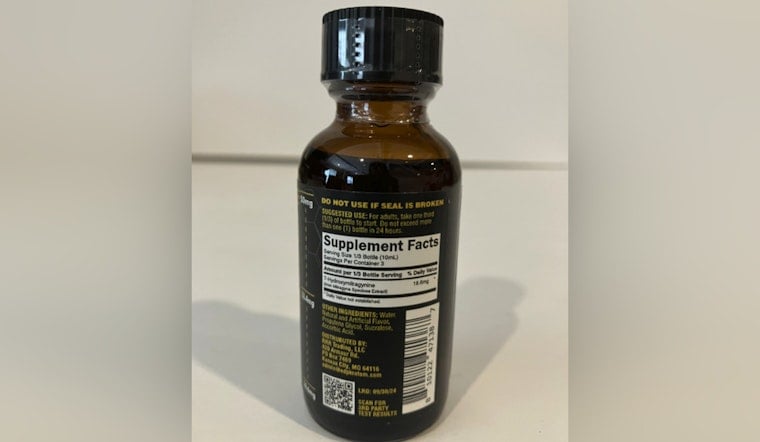
Jimmy and Leah Wright, founders of Wake Monarch Academy in Raleigh, are mourning the April 27 death of their 28-year-old son, Carrson Kase Wilson, and they are not staying quiet about what they believe helped cause it. The couple says Wilson had been using a concentrated kratom product with the alkaloid 7-hydroxymitragynine, commonly called 7-OH, for months before he collapsed and died.
The Wrights say their son first bought a 7-OH product at a local vape shop in January and kept using it until his death in April. Now the parents, who opened Wake Monarch in 2021 as a recovery-focused high school, are publicly calling for tougher rules on how kratom and kratom-derived products are sold and labeled. They want tighter packaging standards, a higher purchase age and vendor licensing that would keep concentrated products off school grounds and out of gas stations and vape shops. As reported by WRAL, they are urging local officials and state lawmakers to move quickly.
Why 7-OH Has Regulators On Edge
Federal health agencies have been sounding the alarm about 7-hydroxymitragynine, a kratom compound that federal scientists say acts as a far more potent opioid-like component than the natural kratom leaf itself. Some products on the market contain concentrated or synthetic forms of 7-OH.
The U.S. Food and Drug Administration has sent warning letters to firms that market products with 7-OH and has issued a technical assessment laying out its opioid-like effects and the dangers posed by concentrated formulations. According to the FDA, 7-OH can cause respiratory depression, dependence and withdrawal that resemble the effects of other opioids.
Poison Center Calls Spike Nationwide
Public health tracking shows that kratom-related problems are not just a Raleigh concern. A Centers for Disease Control and Prevention analysis of the National Poison Data System found roughly a 1,200% jump in kratom-related calls between 2015 and 2025, climbing from about 258 calls in 2015 to more than 3,400 in 2025. The same analysis highlighted a big rise in cases where kratom was used along with other substances and those combinations were linked to more severe outcomes. The CDC has called for stronger surveillance, more public education and tighter safeguards on products to help reduce harm, according to the CDC.
State Autopsy Files Flag Hundreds Of Kratom Detections
North Carolina’s own data shows how often kratom compounds are turning up in death investigations. The state Department of Health and Human Services recorded 357 toxicology reports between 2015 and 2024 in which mitragynine or 7-hydroxymitragynine appeared. Wake County is among the counties where the compound showed up. Officials caution that detection in toxicology does not prove the substance caused a death. Those findings were detailed in earlier reporting by WRAL, which reviewed data from the Office of the Chief Medical Examiner and county-level trends.
What Lawmakers Are Pushing At The General Assembly
Some lawmakers in Raleigh have already started to move on kratom and other novel products. House Bill 468, now under consideration, would create a licensing and inspection framework for manufacturers, distributors and retailers. The proposal lays out licensing fees, sets vendor requirements and would prohibit kratom and hemp-derived consumables on school property. It would also bar possession of certain hemp-derived products by people under 21.
Backers say the structure in the bill would finally give regulators the tools to police a fast-growing and lightly regulated market. The House analysis and bill text spell out the fee schedule, inspection powers and enforcement options in more detail at House Bill 468.
Local leaders are also weighing in. The mayor of Apex has convened a mayor’s substance misuse task force and has publicly pushed for stronger safeguards on emerging drug and supplement markets. Background on that task force is available from ApexNC.
For the Wrights, all of this policy talk is rooted in a personal loss that they now feel compelled to drag into the public square. They argue that rules making it harder for their son to buy concentrated 7-OH products at corner shops and vape counters might have changed his trajectory. Advocates on both sides of the kratom debate say that better testing, clearer labels and real accountability for vendors could reduce the odds that powerful 7-OH products land in the hands of young people and casual shoppers. In the coming weeks, the Wrights say they plan to press for hearings and tougher enforcement that could reshape how kratom is sold in North Carolina and, potentially, beyond.





_Products_(54639414823).jpg)