

























































With Atlantic hurricane season less than a week away, Raleigh officials are hustling to roll out an expanded Rainwater Rewards subsidy while they try to shore up aging pipes and basins that still back up in heavy storms. The new rules come with generous cost sharing for homeowner projects, although engineers and advocates caution that these neighborhood-level fixes are no substitute for the multi-million-dollar upgrades the wider system will eventually need.
What Rainwater Rewards Will Pay For
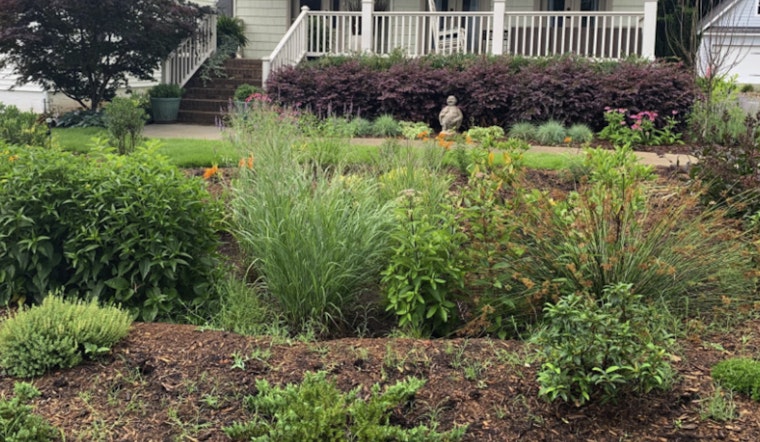
The city’s Rainwater Rewards program now guarantees up to 90% reimbursement for eligible green-stormwater projects citywide, and a subsidy stream will cover 100% of costs for qualifying households in underserved communities, nonprofits and places of worship, according to the City of Raleigh. Covered projects include cisterns, green roofs, silva cells, bioretention and rain gardens, and impervious-surface removal, and the city says it mails reimbursements after a final site visit. The changes are aimed at lowering cost barriers and bringing more treatments into flood-prone neighborhoods.
Policy Update And Rollout
The Stormwater Management Advisory Commission recommended the policy updates and City Council set July 1, 2026, as the effective date; meeting materials show the program has supported roughly 300 projects since its inception and staff field about 150 consultations a year, per the City of Raleigh. City staff say the changes will speed approvals for smaller projects and make larger subsidies easier to access for qualifying addresses. That procedural shift is intended to get rain gardens and cisterns in the ground before the next big storm rolls through.
Money And Capacity: A Narrow Fix In A Big System
As reported by WRAL, Raleigh’s stormwater division expects to double Rainwater Rewards funding starting next fiscal year, an effort officials say will accelerate neighborhood-scale projects. But federal analysis shows the city's stormwater program still faces much larger capital needs: an EPA review flagged roughly $10 million in immediate capital repair needs for dams and sketched out capital improvement plan shortfalls in the hundreds of millions, underscoring the scale gap between block-level subsidies and systemwide upgrades, according to the EPA.
Why It Matters This Year
The Atlantic season officially runs June 1 through November 30, and NOAA's 2026 outlook, issued in May, predicts a below-average season but stresses that a single storm can still cause severe localized flooding, making preparation essential, according to NOAA. Even a quieter season can produce intense downpours that overwhelm local drains and basins.
How And When Residents Can Apply
The city’s news release says the updated R3 policy takes effect July 1, 2026, and that residents can request a consultation or email [email protected] to check eligibility and next steps, according to the City of Raleigh news release. Small projects under $10,000 can now be approved by staff, the release notes, which city officials say should speed installations.
What Still Needs Work
Expanded subsidies reduce runoff on a parcel-by-parcel basis, but larger floods will still expose weaknesses in aging pipes, undersized culverts and detention basins, problems that will require sustained capital investment and years to address, according to federal analyses from the EPA. In the near term, city staff urge residents to check flood maps, clear nearby drains and report clogged catch basins to the Stormwater division.
Raleigh’s updated Rainwater Rewards rules give homeowners and community groups a cheaper way to manage water where it falls, but officials and analysts agree that block-level fixes are only one piece of a much larger resilience puzzle. With the season about to begin, residents are being nudged to learn what help is available, and what it will still take, to fully harden the city’s drainage network.





