

























































As the May 5, 2026 primary approached, Reading voters were staring down a big-ticket question: should the city borrow up to $27 million for a package of public-safety upgrades and fixes to Veterans Memorial Stadium? The 5.89-mill, 28-year bond issue would cost homeowners an estimated $206 per $100,000 of market value each year, according to city figures. Backers argue the spending would speed emergency response and keep fields playable year-round, while critics say it lumps too many projects into a single, long-term tax hike.
What the levy would pay for
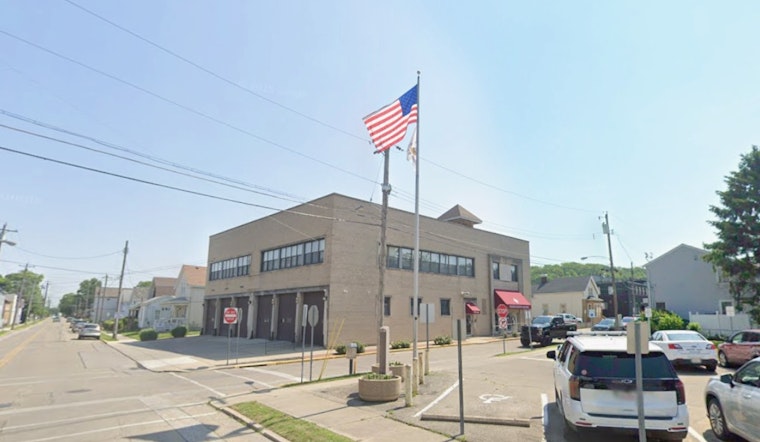
According to the City of Reading, about three-quarters of the borrowing would go toward a new fire station and an administration building. That shuffle would free up the current firehouse so it could be converted for police use. The remaining portion of the bond issue is earmarked for stadium upgrades.
City materials say the stadium work includes swapping out grass for turf, installing a new track, and adding ADA-accessible restrooms along with other overdue repairs that have been on the wish list for decades. Officials have released concept drawings and scheduled information sessions and tours for residents who want a closer look at the plans and the price tag.
Official numbers and ballot language
The Hamilton County Board of Elections' certified ballot proof lists the measure as a $27,000,000 bond to be repaid over a maximum of 28 years, with an estimated levy of 5.89 mills, or about $206 per $100,000 of market value, according to the county's ballot documents. The issue appears on the May 5 ballot as a levy outside the ten-mill limitation, with collections beginning after the bonds are issued. Those are the official numbers and phrasing voters see on the ballot.
Officials say it is about response times
City leaders have pitched the bond as a long-term investment in safety and basic infrastructure. Reporting by WCPO breaks the plan into roughly $10.6 million for the fire department, $2 million for the police department, $3.1 million for administration, $5 million for the stadium, $2.5 million for engineering, and $4 million in contingency funds.
Mayor Robert "Bo" Bemmes told WCPO the reconfigured facilities should "increase their response times... for heart attacks, for strokes," stressing that shaving even a few seconds off can matter when someone is in crisis.
Opposition says the package is too big
Not everyone is sold. A local committee calling itself Citizens Concerned for ALL Residents has organized at readinglevy.com, arguing that the proposal moved forward too fast and that tying public-safety projects to stadium improvements pushes the overall cost to what they call an "astronomical cost" for homeowners.
Opponents say the compressed timeline and limited public input are reasons the city should slow down and break the proposal into smaller pieces instead of one all-or-nothing vote. Yard signs reading "Vote NO on Issue 4" have cropped up around town, and group leaders say they support safety upgrades in theory but want clearer, more detailed plans and more chances for residents to weigh in before committing to a nearly three-decade tax.
Next steps for voters
The bond issue needs a simple majority of "yes" votes to pass. If approved, officials say the city would move ahead under the $27 million cap, phasing in projects over time. City staff is continuing to post FAQs, concept plans, and information-session dates on the project page so residents can study the proposals or reach out with questions.
Voters who want to read the precise legal wording and certified figures can find them in the Hamilton County Board of Elections' ballot proof, which contains the official description of the issue and the levy estimates that go with it.





