

























































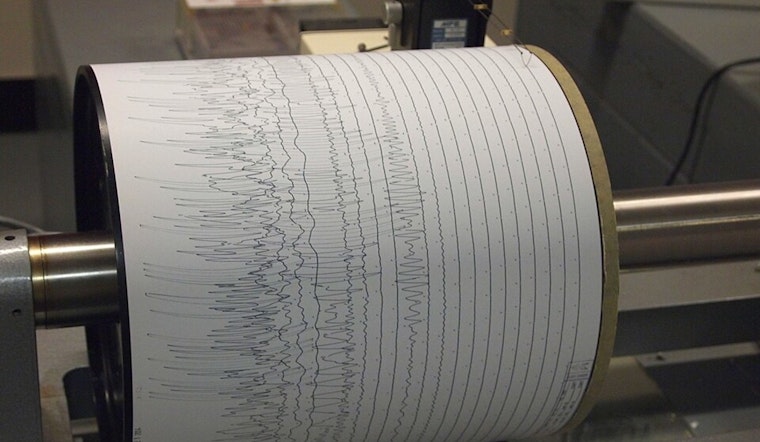
The Inland Empire got another rude wake-up call Friday evening as a string of small earthquakes centered near Redlands rattled homes and offices across the inland valleys. The strongest jolt in the bunch landed in the mid-3 magnitude range and was clearly felt from Redlands toward Riverside and Moreno Valley. The latest pulses followed earlier shocks this week and have plenty of locals double-checking their shelves and phone alerts.
Where and when the quakes struck
The largest event was a preliminary magnitude 3.4 quake that hit at about 6:40 p.m. Friday, roughly 4 miles southwest of Redlands. Seismographs show it was very shallow, about 2 miles beneath the surface, according to KTLA. The station notes the epicenter sits near the border of Riverside and San Bernardino counties and that several smaller shocks were recorded earlier in the day.
Earlier tremors this week
The 3.4 followed a 3.3-magnitude temblor earlier the same day and a 3.1-magnitude event on Wednesday, per reporting by ABC7. Dozens of residents filed felt reports, and regional outlets said there were no immediate reports of injuries or structural damage, according to the Sacramento Bee.
What seismologists say
Experts say clusters of small, shallow quakes are common in California and do not automatically mean a bigger one is coming. The U.S. Geological Survey notes that the labels foreshock and aftershock can only be used after a larger quake is identified, and many swarms never produce a single main shock. Scientists monitoring the region say they will keep an eye on the activity, but most clusters like this tend to settle down on their own.
How to prepare
State emergency officials are using the latest rumblings as a reminder that basic preparation still matters. They urge residents and visitors to download California's Earthquake Readiness Guide, sign up for ShakeAlert or MyShake warnings, secure heavy furniture, and keep an emergency kit stocked with water, medications, and a radio, according to the state's preparedness website. Knowing to "drop, cover and hold on" and having a simple supply kit ready can reduce injuries when shallow quakes hit.
For now, the recent tremors are another nudge that Southern California's fault system is very much alive. Seismologists recommend calm and preparedness rather than alarm. If you felt the shaking, keep an eye on official channels for updates and consider sharing your experience to help scientists map how widely the quakes were felt.





