

























































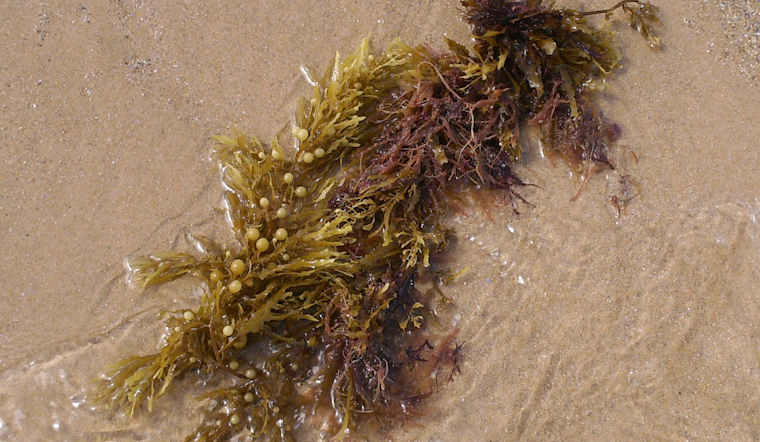
Memorial Day weekend on the Space Coast came with an extra, unwelcome guest: a thick, smelly blanket of sargassum stretching along beaches from Cape Canaveral to Cocoa Beach. Families and day-trippers spent the holiday stepping over rotting seaweed and weaving through buzzing insects just to find a dry spot for their towels.
“I’m just trying to rake some seaweed up,” one frustrated beachgoer told local reporters, as others described a band of brown wrack running 15 to 20 feet wide along the shoreline. Heavy piles were spotted in Harbor Heights and other hot spots, and many longtime residents called it some of the worst sargassum they have seen in years, according to WKMG ClickOrlando.
Scientists warn 2025’s record could be a preview
Researchers say this is not just a one-off nuisance. In May 2025, University of South Florida scientists estimated there were about 38 million metric tons of sargassum spread across the Atlantic system, far above what had been seen in previous years, according to the AP.
USF’s Sargassum Watch System is still tracking elevated biomass in the Great Atlantic Sargassum Belt and releasing monthly outlooks that map the drifting seaweed and flag potential landfall hot spots, the USF Optical Oceanography Lab notes.
NOAA ramps up monitoring as communities brace
The National Oceanic and Atmospheric Administration is trying to give coastal communities more lead time. NOAA scientists told reporters they have moved to more frequent, higher-resolution satellite estimates to track incoming mats, including updates that sharpen how precisely they can see where the seaweed is forming and drifting, according to CBS Miami.
Why Brevard County generally won’t rake
Despite the complaints, Brevard County and Port Canaveral officials told local outlets they are not planning widespread mechanical removal. They point out that the wrack line is more than just a mess on the sand: it is habitat and food for birds, crabs, and other shoreline creatures, and heavy machinery can interfere with nesting sea turtles during a critical time of year. Coastal managers are left weighing visitor comfort against the ecological upside every time they consider sending tractors onto the beach, WFTV reports.
Researchers hunting for uses — and food
While beach crews debate rakes and tractors, scientists across Florida are looking for ways to turn all that pelagic sargassum into something useful. Experiments are underway on products ranging from compost and biofuel to industrial additives and food ingredients.
A peer-reviewed study in Food Hydrocolloids found that high-pressure processing and sonication can turn pelagic sargassum into functional sodium alginate under controlled lab conditions. The authors, however, caution that heavy-metal contamination and the need for thorough purification mean any commercial food use would require additional testing and regulatory approval before it could move beyond the lab bench.
What beachgoers should know
For now, conditions will likely stay patchy. Onshore winds and shifting tides can leave one stretch of sand almost bare while piling seaweed several feet deep just down the road. As it decomposes, sargassum can give off a strong odor and attract insects, and local coverage notes that people with respiratory issues may want to be extra cautious on days with heavy wrack, according to WFTV.
Officials and scientists alike suggest checking lifeguard advisories and satellite monitoring tools, including USF’s Sargassum Watch System, before heading to the shore. With Space Coast communities trying to balance beach access, wildlife habitat and experimental reuse projects, the seaweed is poised to stay a major part of the summer shoreline conversation.





