

























































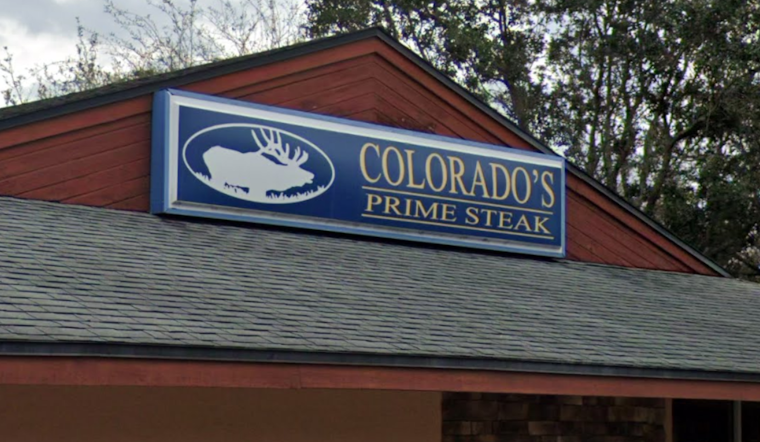
Colorado’s Prime Steak, a long-running steakhouse in Sanford, was hit with a temporary emergency shutdown after state inspectors walked in on a mess of pests and sanitation problems during a mid-May visit. Florida’s Division of Hotels and Restaurants issued the order on Monday, May 11, and a follow-up inspection the very next day found the violations corrected and the closure lifted.
State inspection records summarized by ClickOrlando show inspectors counted 12 dead roaches on a wall near a water heater, two live roaches inside a leg post at a three-compartment sink, and another live roach near standing water at that sink. The same report logged "nearly 60" small flying insects on-site, a dish machine whose chlorine sanitizer was below the required minimum strength, and an expired Division of Hotels and Restaurants license.
Under Florida rules, the Division of Hotels and Restaurants can shut a place down on the spot when it finds an imminent threat to public health. As outlined by Florida DBPR, emergency orders stay in place until inspectors confirm that the specific hazards have been eliminated.
Part of a Wider Wave of Pest-Related Closures
Colorado’s Prime Steak was not alone in drawing the state’s attention this spring. A review of inspection records shows a run of pest-driven emergency closures across Florida in April and early May, with kitchens from the Space Coast to the Gulf Coast getting similar treatment.
Florida Food Safety documented a spike in roach and fly-related shutdowns in April, and that same weekly roundup lists Sweet Delight Jamaican Cuisine in Palm Bay and Momoz, LLC in Tampa among the restaurants hit with emergency closures during the period.
What Operators Face
For owners, an emergency closure is more than one bad inspection. Beyond cleanup costs and a day or more of lost business, operators that rack up emergency orders or repeat high-priority violations can face administrative complaints, fines, or license actions under state rules.
The division’s guidance and Florida law give regulators a range of enforcement tools when serious public-health risks are not fixed, including suspension of a food-service license until conditions are brought back into compliance, according to DBPR materials.
Diners who want to vet a restaurant’s track record can search inspection histories on the state’s public licensing portal. For full reports and weekly closure lists, check the Division of Hotels and Restaurants section at MyFloridaLicense.



