

























































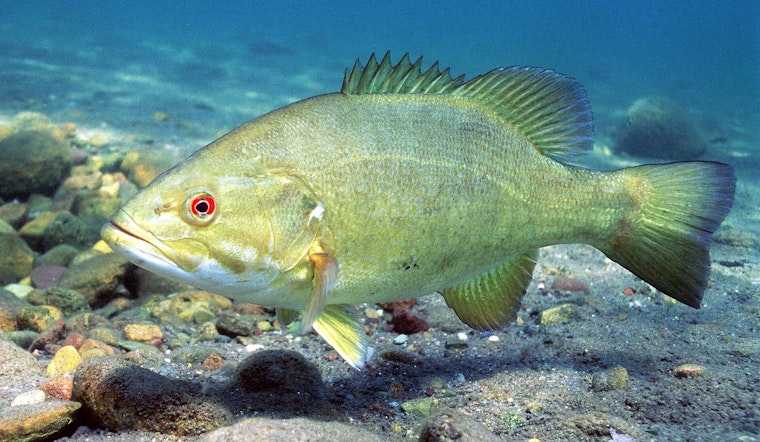
Smallmouth bass, a species not native to Lake Allatoona, have started turning up in the busy north Atlanta reservoir, and state wildlife officials think someone likely slipped them in on purpose. The Georgia Department of Natural Resources’ Wildlife Resources Division (WRD) says it has already collected a smallmouth from the lake and is probing whether the fish are the result of an illegal stocking. Anglers and boaters are being urged not to release any smallmouth they catch and to report suspicious activity so investigators can figure out how the fish got there.
In a statement, WRD said its biologists “have obtained a specimen” and are working with the U.S. Army Corps of Engineers and researchers at the University of Georgia to trace the source, according to CBS Atlanta. The agency notes that fish sometimes move between waters on their own because of storms, floods or natural range shifts, but says most surprise appearances ultimately tie back to people moving or releasing live fish. Officials warn that unsanctioned stockings can ripple through a lake’s food web and alter long-term prospects for native sportfish.
Agency guidance and reporting
According to Georgia DNR guidance on aquatic nuisance species, unauthorized introductions can cause “serious and irreversible ecological consequences,” and only WRD personnel are allowed to stock or transport live fish or aquatic plants into state waters under agency rules. The department asks anyone who catches an unfamiliar bass species to remove it from the water and, when possible, hang on to a specimen or take clear photos so biologists can confirm exactly what it is. The DNR also offers an online reporting form and lists regional contacts that anglers and boaters can use to submit sightings and physical specimens for review.
Why biologists are worried
Fishery scientists warn that it does not take many non-native fish to start changing a system, particularly if they breed with closely related species or outcompete native fish for food and prime habitat. Georgia Outdoor News reports that biologists are concerned about bass hybrids that can “genetically swamp” native populations and points to earlier Georgia cases where illegal stockings damaged smallmouth and other fisheries. At Allatoona, some experts think the lake’s established Alabama bass population might limit how well smallmouth can gain a foothold, but they are more nervous about fish slipping downstream into connected rivers where more vulnerable species are still hanging on.
What anglers should do
For now, the marching orders for anglers are simple: if you catch a smallmouth in Allatoona, do not put it back. Instead, officials ask that you remove the fish from the lake and, if you can do so safely, keep it alive in a secure container or at least get sharp, well-lit photos before filing a report, according to WSB-TV and state guidance. WSB notes that WRD’s Northwest Region fisheries line, 706-295-6102, is taking calls about potential non-native bass in Allatoona, and the DNR’s aquatic nuisance species page walks the public through how to send in online reports or physical samples.
Enforcement and next steps
Bringing in, moving or stocking live fish in Georgia waters without the state’s blessing can run afoul of game and fish laws and related regulations, and the department has the power to seize wildlife that is moved or possessed illegally. Under UniCourt’s compilation of Georgia law (OCGA Title 27), regulators can block or restrict the import, possession or sale of live fish that might harm native stocks, and specific penalties depend on which statute or rule is violated. WRD says it is working with the U.S. Army Corps of Engineers to investigate the Allatoona smallmouth as a potential illegal stocking, according to CBS Atlanta.
State biologists stress that early, detailed reports from people on the water give them the best shot at finding and removing non-native fish before those fish settle in and spread. Anglers who land something unusual are urged to document it carefully and pass the information along. At Allatoona, those local tips could be the difference between a quirky one-off catch and a longer-running problem that drifts downstream into neighboring rivers, Georgia Outdoor News reports.





