

























































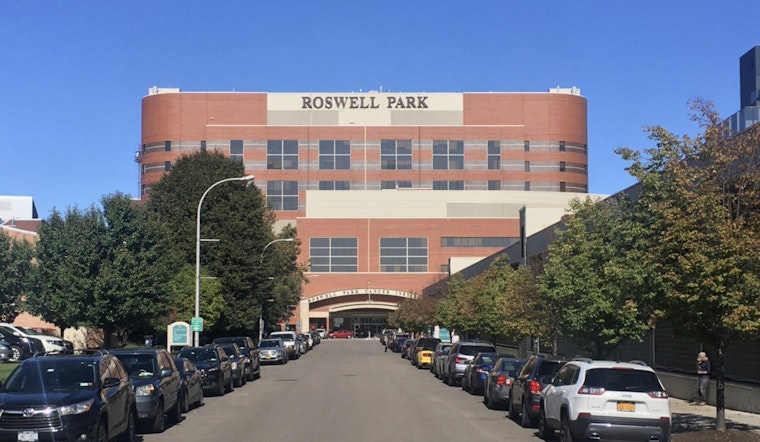
Roswell Park Comprehensive Cancer Center is taking a bold swing at autoimmune disease, testing whether a single infusion of CAR T cells can act as a one‑time reset for the immune system instead of a lifetime of immunosuppressive drugs. Early signals from small studies and first‑in‑human trials have been eye‑catching enough to justify new Phase 1 work, but clinicians are quick to say the research is still early and that long‑term safety tracking remains crucial.
Researchers aim for an immune reset
The effort at Roswell Park is led by rheumatologist Dr. Alicia Lieberman, who is retooling a cancer immunotherapy to go after the B cells that drive conditions such as lupus and systemic sclerosis. “It’s time for a new revolution,” Lieberman said. As detailed by Roswell Park, the center is exploring both stem‑cell approaches and investigational CAR T products as possible paths to durable, drug‑free remission.
Where the trial stands
A Phase 1 study of prulacabtagene leucel (formerly ADI‑001) is now registered and lists Roswell Park among its active locations. The listing describes enrollment criteria that focus on adults with systemic lupus, lupus nephritis and systemic sclerosis, along with several other autoimmune conditions. According to Adicet Bio, the product’s developer and study sponsor, this therapy is an anti‑CD20, allogeneic gamma‑delta CAR T designed to home in on inflamed tissue and clear out pathogenic B cells. Adicet has shared trial updates and site enrollment details through its own materials and investor communications, and the study is also cataloged on ClinicalTrials.gov.
Early results and scientific context
Across small case series and early trial readouts, many patients with hard‑to‑treat autoimmune disease have reportedly entered prolonged remission after just one CAR T infusion, in some instances staying off immunosuppressive drugs for many months. That emerging story is summarized in a recent feature in The Atlantic and in peer‑reviewed overviews such as a roundup in Bone Marrow Transplantation. Investigators suspect CAR T can wipe out tissue‑resident, autoreactive B cells that monoclonal antibodies often fail to reach, which they say could explain the unusually durable responses reported so far.
How this matters locally
Coverage from News 12 | Bronx spotlighted Roswell Park’s role in the trial and noted that roughly 8% to 10% of Americans live with an autoimmune condition. That is a huge group that could feel the impact if one‑time treatments prove both safe and effective. For New York‑area patients who have already run through standard therapies, the study may offer another option, although specialists caution that broad use will depend on larger, controlled trials.
Safety and the unanswered questions
CAR T therapy is powerful but not gentle. It can trigger serious, acute side effects, including cytokine release syndrome and neurologic complications, and critics point out that safety data in autoimmune disease are still limited compared with oncology, leaving longer‑term risks unclear. Analysts have called for unified safety registries and extended follow‑up before this approach expands beyond highly specialized centers. For a more detailed look at the risk profile, see a recent analysis in Drug Development. Clinicians involved in this work say careful patient selection and close monitoring are non‑negotiable as more institutions open similar trials.
The prulacabtagene leucel study is registered under identifier NCT06375993 on ClinicalTrials.gov, which outlines eligibility criteria and contact information for participating sites. Adicet Bio’s trial pages provide additional summaries of early biomarker findings and enrollment progress. Patients and clinicians considering investigational options are advised to review the official trial listing and to discuss potential benefits, risks and alternatives with specialists who have experience with cellular therapies.



