

























































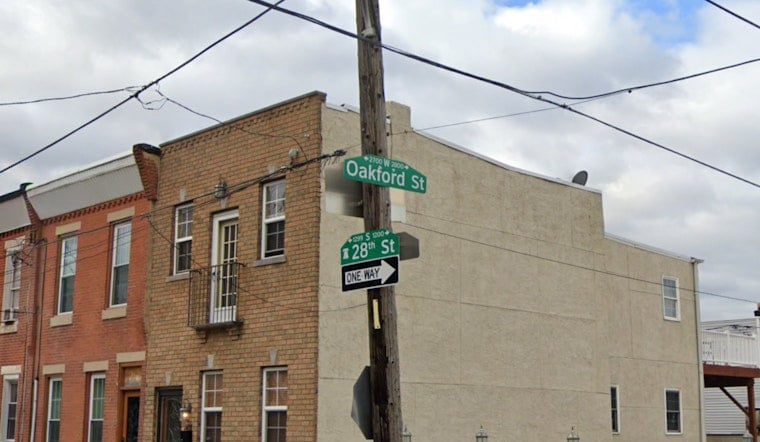
At the corner of 28th and Oakford in South Philadelphia’s Grays Ferry neighborhood, linemen with IBEW Local 614 stood under crossarms and poles they called “splintered, rotting” and flat-out dangerous, announcing they had filed a petition with state regulators demanding an investigation. Backed by enlarged photos and a small crowd at an April 30, 2026 press conference, the union said the petition is meant to force a public reckoning over how PECO maintains equipment in lower-income communities.
IBEW Local 614, which the union says represents about 1,400 PECO workers, submitted the petition along with roughly 100 photographs that show frayed wires, unsecured transformers and degraded crossarms, and identified clusters of allegedly hazardous poles in Marcus Hook and in North and West Philadelphia. The union’s field survey concluded that about 28% of 100 poles checked in Marcus Hook were “potentially hazardous,” while 50 of 300 poles examined in North and West Philadelphia were tagged as hazardous. A rotten pole could knock out service to thousands of customers, lineman Keith Coombs warned, according to WHYY.
State data complicates the picture
The Pennsylvania Public Utility Commission’s 2024 Electric Service Reliability Report paints a more technical backdrop. The report notes that PECO was one of only two large distribution utilities that consistently met the PUC’s SAIFI benchmark from 2018 through 2024, a detail regulators are likely to scrutinize if they take up the union’s petition. The document also lays out the inspection and maintenance standards utilities must follow, and explains the benchmark allowances and major-event exclusions that shape enforcement decisions.
PECO says it has been investing
PECO is pushing back hard. In a statement to WHYY, the company blasted the union’s claims as “utterly false and baseless” and said it has stepped up inspections and repairs in recent years. The utility told WHYY it has increased repairs by roughly 16% over the past five years and has replaced tens of thousands of poles and crossarms, figures it argues help explain why 2025 ranked among its strongest years for reliability.
What the PUC can do next
The PUC is the referee in this fight, enforcing inspection and maintenance rules and issuing the Electric Service Reliability Report that tracks how well electric distribution companies are hitting their benchmarks. If the commission agrees to hear Local 614’s petition, it could open a formal investigation, demand PECO’s biennial inspection and maintenance plans, or order targeted audits and corrective actions on problem feeders, according to the Pennsylvania Public Utility Commission.
Political backdrop and what’s at stake
The union’s move comes just weeks after PECO pulled back a proposed rate hike in the face of political and consumer backlash. The governor’s office said the withdrawal would save customers about $510 million and prevent an average monthly increase of roughly $20.08 on electric bills, according to a press release from Governor Josh Shapiro’s office. The episode highlights the tightrope between keeping bills affordable and utility arguments that more revenue is needed for long-term infrastructure upgrades.
Local 614 says its petition is about forcing a public accounting and speeding up repairs in neighborhoods its members contend have been overlooked. PECO points to its capital and maintenance spending and strong reliability metrics as proof that the system is sound. The next move belongs to the PUC, which must decide whether the filing merits a formal inquiry and, if so, whether to compel data, hold hearings and order targeted replacements in the months to come.


