

























































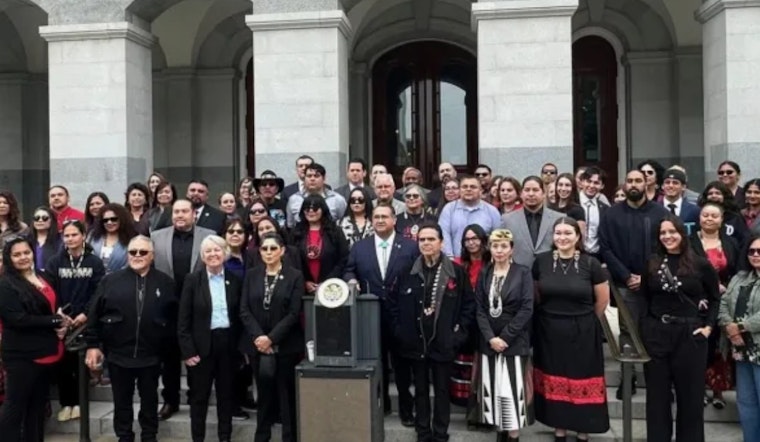
San Diego County law enforcement and tribal leaders are tightening ranks in the fight against the crisis of Missing and Murdered Indigenous People, unveiling a new agreement they say will help keep cases from slipping through the cracks. The memorandum of understanding was signed on Wednesday in front of the Native American Monument at the State Capitol in Sacramento and brings together the sheriff, the district attorney's office, tribal chairs and federal partners. Officials said the pact is meant to clarify how cases are reported, how data is shared and how quickly agencies respond, answering demands families and advocates have been making for years.
Who Signed In Sacramento
The San Diego contingent included Sheriff Kelly Martinez and representatives from the San Diego County District Attorney's Office, joined by tribal leaders from the Pala Band of Mission Indians and the Jamul Indian Village. According to the Times of San Diego, Jamul Chairwoman Erica Pinto said the MOU reflects our commitment to upholding tribal sovereignty," while Pala Chairman Robert Smith said the collaboration "commits to ensuring these cases will not be ignored. The signing was part of events recognizing Missing and Murdered Indigenous People Week at the Capitol.
How The Agreement Is Meant To Work
Supporters say the agreement spells out communication rules, data sharing practices and rapid response steps so there is less confusion about which agency takes the lead and how information moves between them. As reported by KPBS, the memorandum is intended to make reporting easier and response times faster, and the sheriff's office pointed to a designated tribal liaison and a tribal issues advisory committee as central pieces of the plan. Officials stressed that the effort is government-to-government, with the goal of preserving tribal sovereignty while expanding investigative cooperation across jurisdictions.
Why It Matters Locally
Advocates say the stakes in San Diego are high. MMIP San Diego notes that Indigenous people in California face disproportionately high rates of violence, with murder rates for Indigenous women and girls roughly seven times the national average. Human trafficking and cross-border dynamics further increase risk for local Indigenous residents, organizers say, which is why area tribes have spent the past year building a regional MMIP collaborative. That effort has included public education, a Feather Alert campaign and community trainings designed to improve early reporting and cultural competency.
Training And The Statewide Picture
The new MOU follows statewide MMIP trainings for prosecutors, tribal members and law enforcement held this month that focused on cultural competency, Public Law 280 and cold case techniques. On the registration page for the May 4 to 5 sessions, the Sacramento County DA described the training as a space to develop and deepen relationships and noted that participation would count for MCLE credit. Broadcasters covering the Capitol event reported that the MOU will pull more tribes and federal partners, including the Bureau of Indian Affairs, into a regional task force-style model that officials hope other counties will replicate, a move they see as a step toward a more coordinated statewide response. KCRA reported on the broader expansion.
What To Watch Next
Tribal leaders say they want to see concrete follow-through, including rapid notification protocols, standardized data sharing, and clearer paths for families to raise concerns when someone goes missing. Pala Chairman Robert Smith said the agreement commits to ensuring these cases will not be ignored, according to the Times of San Diego. County officials said the immediate focus is on putting the new protocols into practice locally and keeping the training pipeline with tribal partners going so that the MOU leads to visible, on-the-ground changes at home.





