

























































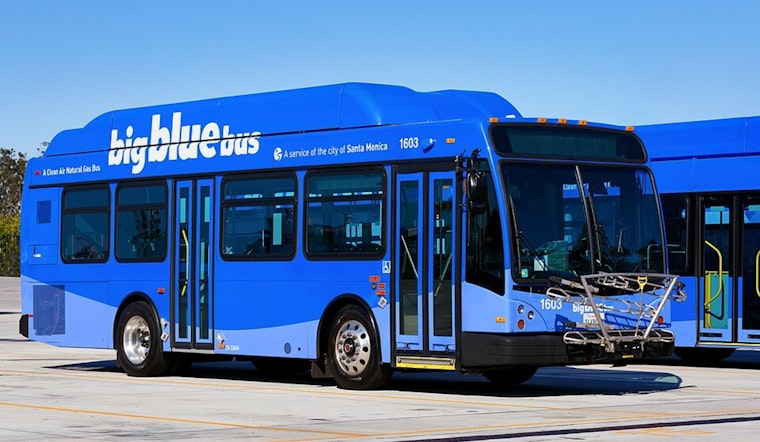
A Santa Monica man has gone public with a harrowing account of an attack he says happened aboard one of the city’s Big Blue Buses in January, saying the experience left him so shaken he has been wary of riding transit ever since. He waited months before speaking out, finally deciding on May 23, 2026, to share his story in hopes of warning other riders. His account has quickly reignited local debate about how safe it really feels to ride the bus, just as the city and the transit agency promote new service and security upgrades.
In an interview with FOX 11 Los Angeles, the man walked through what he says unfolded on board and explained that he chose to go public now so other passengers know what can happen. The segment, posted May 23, 2026, credits FOX 11 reporter Nic Garcia with the interview. The piece centers on the victim’s description of the assault and, in its online video post, does not include a formal statement from Santa Monica police or the Big Blue Bus agency.
Big Blue Bus Is Rolling Out Visible Safety Measures
Big Blue Bus says it has been expanding a “Ride with Confidence” program that layers several safety and service changes, including transit safety officers on high-traffic routes, automated bus-lane and bus-stop enforcement tools, and a prohibition-order program aimed at removing repeat offenders from the system. According to the agency’s rider information pages, these efforts sit inside a broader five-year “Brighter Blue” plan that promises more frequent, more reliable service along with safer, better-lit stops. The agency presents the changes as a way to make riding feel more welcoming and dependable for everyone who uses the system.
As outlined by Big Blue Bus, transit safety officers are being posted where demand is highest and where previous incidents have clustered, while new technology to keep lanes and stops clear is being phased in so buses can stay on schedule more consistently.
Not the First Time Violence Has Been Reported Onboard
Assaults on Big Blue Bus vehicles are not new. Local reporting documented a violent, unprovoked attack on a Big Blue Bus in July 2024 that led to an arrest and felony charges in that case. That 2024 incident, and others like it, have been repeatedly cited by residents and transit advocates as part of the rationale for making on-vehicle and stop-area safety a top priority for the city and the agency. For background on earlier enforcement actions and arrests, readers can look to prior local coverage of that case.
For one earlier example, Palisades News reported on the unprovoked July 2024 assault that sparked a criminal investigation and ultimately felony charges against a suspect identified by the Santa Monica Police Department.
Ridership, Policing, and Why the Timing Matters
All of this is happening as Big Blue Bus tries to rebuild from the pandemic slump. The agency’s recent financial statements show it carried roughly 8.6 million passenger trips in fiscal year 2023–24 as it restores service levels. At the same time, city officials point to a recently adopted public-safety realignment that, according to city reporting, has coincided with a drop in Part I crimes. Leaders often cite that trend when explaining why they are putting money into visible patrols and transit-specific safety resources.
Those trends, rising ridership paired with a shifting policing strategy, help explain why both residents and officials are so focused on preventing on-vehicle violence as service expands. The ridership numbers come from official Big Blue Bus financial statements released by the City of Santa Monica, and reporting on recent crime trends appears in local coverage of the city’s Realignment Plan results. Readers can consult the Big Blue Bus financial report and the local reporting for more details.
Policy Tools: Prohibition Orders and Enforcement
One concrete tool now available to the city and the transit agency is the Prohibition Order Program created under state law. The policy gives local transit operators the authority to bar people who repeatedly violate transit rules or commit crimes on public vehicles for specific periods of time. Local reporting on the program describes it as designed to work alongside “compassionate enforcement” and staff training who issue the orders. Advocates and city officials say the intent is to protect riders and operators while also honoring due-process protections and outreach obligations.
As it bolsters rider safety with prohibition orders, the prohibition order framework was adopted to give transit agencies another enforcement tool that can be used alongside transit safety officers and infrastructure upgrades.
What Riders Should Take From This
The man’s account, his first public retelling of what he says was a January assault, underscores how a single violent encounter can shape someone’s willingness to step onto a bus again. City and agency officials argue that the new safety initiatives are intended to prevent exactly those kinds of experiences, although they acknowledge the measures will need time, close monitoring, and consistent enforcement before rider confidence truly rebounds. Anyone with information about assaults on local transit is encouraged to share tips with police so investigations can move forward.





