

























































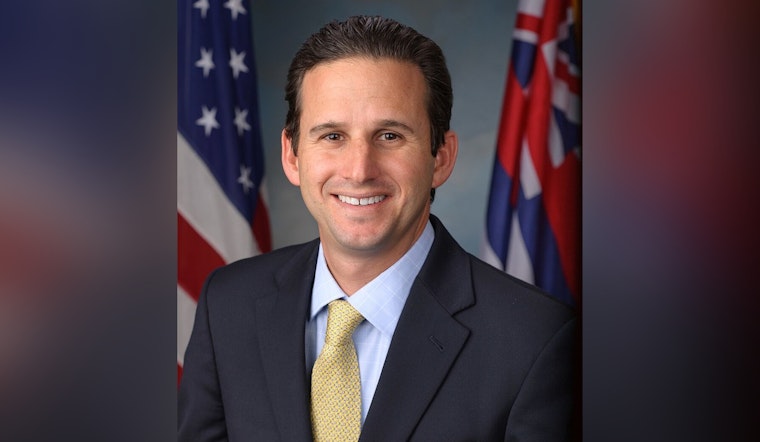
Hawaiʻi’s ongoing struggle to find enough surgeons is getting a hard look from Washington, with Sen. Brian Schatz leading a bipartisan push to figure out exactly where the gaps are and how bad they have gotten. The shortage has been simmering for years, leaving many neighbor-island residents traveling, sometimes by plane, for what should be routine surgical care.
The measure, called the Ensuring Access to General Surgery Act, was introduced in the Senate by Sens. Schatz, John Barrasso, Maria Cantwell, Roger Marshall and Amy Klobuchar, according to Maui Now. Local officials told the outlet they hope a detailed federal study will finally give them the data they need to recruit and hang on to general surgeons on the neighbor islands, instead of losing them to bigger markets.
Bill Would Let HHS Map And Label Surgeon Shortage Zones
If it becomes law, the bill would direct the U.S. Department of Health and Human Services, working through the Health Resources and Services Administration, to study how well underserved communities can actually access general surgeons and to test ways of designating "general surgery shortage areas." The legislation calls for a report to Congress within a year and would allow HHS to write rules that formally define and designate those shortage zones, according to the bill text on Congress.gov.
Why Hawaiʻi Is Particularly Vulnerable
Advocates say Hawaiʻi’s island geography makes a tough national problem even harder at home. Maui Now reports the state faces roughly a 14% shortfall in general surgeons overall and about a 40% gap on Hawaiʻi Island, which pushes many patients to seek care off-island. Edward Chu of the Hawaiʻi Health Systems Corporation told the outlet that access to surgeons "is literally a matter of life or death" for rural and neighbor-island residents who cannot easily get to a big-city hospital.
National surgical groups have been sounding the alarm, arguing that the country has plenty of surgeons in some areas and far too few in others. Better data, they say, would help target incentives where they are actually needed. The American College of Surgeons backed the bill as a way to "shine a bright light" on surgeon maldistribution and to give HHS another tool to improve access to care.
On the congressional side, a House companion measure, H.R. 7198, was introduced in January, and similar ideas have surfaced in past Senate sessions. The House bill’s text and legislative timeline are posted on Congress.gov. If HHS ultimately moves to designate shortage areas, the agency would publish official lists and could use the findings to shape workforce programs, advocates say, although any concrete incentives or funding would still need separate action by federal agencies and Congress.
For neighbor-island patients and physicians, supporters argue that a well-executed study and new designation could eventually mean fewer emergency transfers, shorter waits and more surgeries handled close to home. How quickly that vision becomes reality will depend on lawmakers, HHS priorities and how fast the agency follows through on the new authority. Observers in Hawaiʻi will be watching to see whether the federal spotlight on surgeon shortages turns into actual hiring and long-term retention on the islands.



