

























































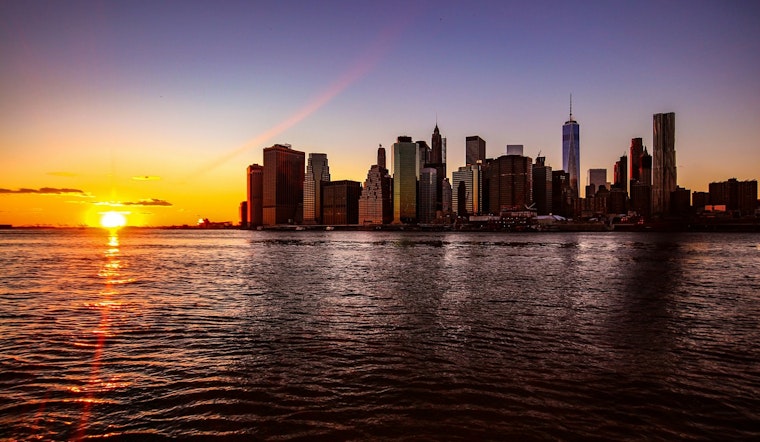
This summer is looking less like a lazy stretch of beach days and more like a test of who can handle the heat. Long-range forecasters say the Northeast is in for hotter, stickier weather, along with a bump in dangerous wind events. New York City is expected to clock roughly 16–22 days at or above 90°F, while Philadelphia could see about 32–38 such scorchers, both topping last summer’s tally. The real trouble is slated for July and August, when long bands of thunderstorms known as derechos could unleash hurricane-force gusts and trigger widespread power outages.
AccuWeather's outlook for the season
According to AccuWeather, much of the contiguous United States is projected to run warmer than the historical average from June through August, with the Northeast running about 1–2°F above normal. Added humidity is expected to crank up heat stress, push AccuWeather's RealFeel® temperatures higher and drive up electricity demand in major cities.
Derechos, wind risk and timing
AccuWeather long-range expert Paul Pastelok is calling for "a late surge of heat and higher humidity" that could keep nights warmer and feed unstable summer air. In July and August, AccuWeather expects a rising risk of destructive lines of thunderstorms called derechos, which can produce winds topping 100 mph and leave long stretches of outages in their wake.
El Niño and the broader climate signal
The federal Climate Prediction Center, part of the National Weather Service, also leans toward above-normal seasonal temperatures across much of the U.S. as the tropical Pacific shifts toward El Niño. The World Meteorological Organization's seasonal update points to a global tilt toward above-average temperatures that can intensify regional heat waves and make hot spells hang on longer.
What this means for New Yorkers and Philadelphians
Local coverage has pulled the city-level numbers into focus, warning that drawn-out heat spells could bump up electric bills and strain neighborhoods already prone to outages. As reported by FOX 5 New York, New York City recorded 14 days at or above 90°F last summer, while Philadelphia had 37. The new outlook nudges those totals higher for 2026.
How to prepare
Households should plan for hotter stretches and hit-or-miss severe storms now, not when the first heat wave arrives. That means testing air-conditioning units and fans, putting together an outage kit with water and fully charged power banks, and checking on elderly or medically vulnerable neighbors. City agencies and utilities typically roll out heat-wave guidance and post cooling-center locations ahead of any prolonged hot spell, so keeping an eye on forecasts through June will help residents prep for the highest-demand periods.



