

























































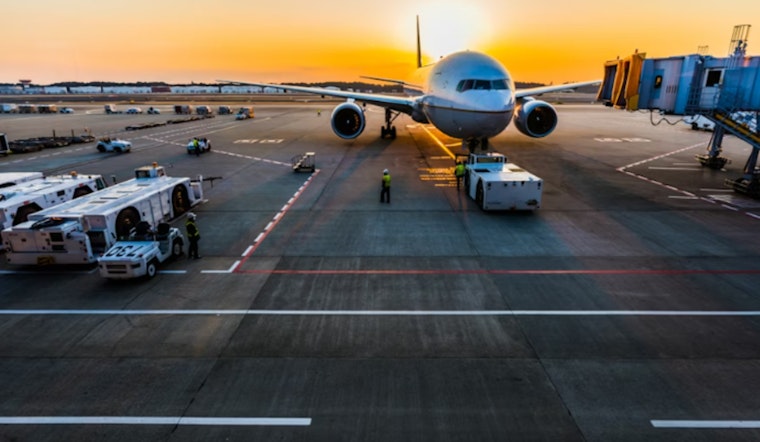
Washington’s airports are flying straight into a capacity crunch that state planners say will be expensive and messy to fix. A new statewide analysis warns of a multibillion-dollar funding gap just as passenger demand is projected to soar through midcentury. The tightest pressure is around Sea-Tac and neighboring commercial airports, where limited runways, gates and airspace leave almost no slack in the system. Without fresh cash and better regional coordination, travelers should brace for more crowds, longer lines and mounting delays in the years ahead.
Report raises a funding alarm
According to the Seattle Business Journal, a recent state transportation analysis projects a funding shortfall of about $3.7 billion over the next 15 years for airport projects. The same report forecasts that regional passenger demand could climb to roughly 107 million travelers a year by 2050. The Business Journal notes that such a gap would likely force tough choices between new runway and terminal investments, deferred maintenance and local community priorities that already compete for limited dollars.
WSDOT’s new aviation plan lays out priorities
In a press release from WSDOT, state aviation officials rolled out an updated Washington Aviation System Plan that refreshes demand forecasts and puts sustainability, resilience and emerging aircraft technologies near the top of the planning agenda. “The WASP gives decision-makers a shared, data-driven framework to keep this system strong into the future,” the agency’s aviation director said. WSDOT plans to use the document to steer state grant decisions and shape federal funding requests. The update follows years of studies warning that expected project costs are pulling away from what current grant programs can realistically cover.
Puget Sound demand outstrips Sea-Tac’s near-term projects
Regional modeling overseen by the Puget Sound Regional Council points to a steep climb in traffic, with high-case passenger enplanements in the central Puget Sound projected to reach about 55.6 million by 2050. Combined with arrivals, those numbers help explain the broader “107 million” demand estimate in the statewide analysis. The PSRC regional aviation baseline study notes that Sea-Tac’s Sustainable Airport Master Plan near-term package is sized to handle roughly 28 to 33 million enplanements. The Port of Seattle is moving ahead with environmental review of those near-term projects, which include a proposed 19-gate north terminal, while regional planners continue to debate what longer-range fixes might look like.
Where the money might come from
Planning documents from the state highlight just how tight the finances already are. The 2015 Airport Investment Study pegged total project needs at roughly $3.6 billion over 20 years, while the state’s Airport Aid Program and the federal Airport Improvement Program cover only a portion of that bill. As outlined by WSDOT, the state grant program typically doles out only a few million dollars a year, which barely dents the backlog. That leaves policymakers to consider options such as increasing Passenger Facility Charges, issuing bonds or pushing for targeted state appropriations. Any shift in funding would mean trade-offs for taxpayers, airlines and smaller community airports that also rely on limited public money.
Next steps for planners and travelers
Officials say the WASP will now guide which projects rise to the top for grant funding and will feed into additional studies of airfields and airspace later this year. At the same time, the Port of Seattle and the FAA are continuing environmental review on Sea-Tac’s near-term projects. Regional planning bodies will use those findings to evaluate whether to expand Paine Field’s role, move more traffic to other existing airports or explore entirely new “greenfield” sites outside the urban core. For people actually boarding the planes, the near-term reality is more construction, shifting schedules and heavy pressure during peak travel periods while the long-term fixes remain stuck in planning documents and public meetings.
The numbers tell a blunt story. Planners can model demand and sketch out projects, but turning those ideas into real capacity will require serious money and political spine. Lawmakers, airport operators and residents now have to decide how much they are willing to invest to keep Washington’s air system functioning smoothly for the next generation of travelers.





