

























































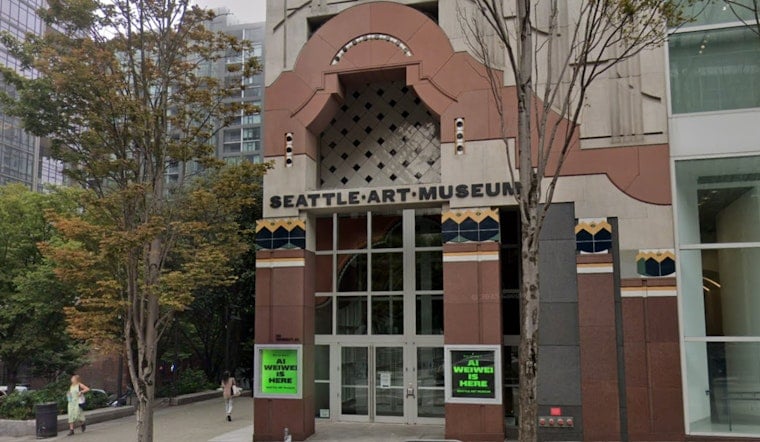
More than 100 employees in more than 20 departments at the Seattle Art Museum have gone public with a union drive, saying it is time the institution’s workplace caught up with its public values. Organizers announced Wednesday that they are forming Seattle Art Museum Workers United, have formally launched a drive to unionize, and have filed an election petition with the National Labor Relations Board. They say they also delivered a letter to museum director and CEO Scott Stulen that asks for voluntary recognition. The proposed unit spans frontline visitor services staff along with curatorial and education workers and plans to affiliate with the Washington Federation of State Employees/AFSCME Council 28. Workers say they are focused on higher pay, stronger benefits and clearer decision making at the museum.
As reported by The Seattle Times, organizers told the paper they filed a representation petition with the NLRB and would withdraw it if the museum voluntarily recognizes the union before May 27. They say the organizing committee represents a supermajority of eligible workers and that they handed Stulen a letter outlining their priorities. According to organizers, they expect to lean on AFSCME Council 28 for bargaining support and legal backup once talks begin.
Organizers' priorities
The workers’ letter lists “sustainable wages, just-cause protections, improved healthcare, paid time off, retirement benefits, retention incentives and more transparent decisionmaking” as top priorities, according to The Seattle Times. Meredith Waddell, a member of the organizing committee, told the paper that unionizing is a way to “solidify support among co-workers and fight for better conditions.” Staffers say the campaign is also about bringing the museum’s internal labor practices into closer alignment with the public mission it promotes in galleries and community programs.
Local context and past fights
The SAM campaign follows an earlier round of organizing inside the museum. Security staff formed their own union in May 2022 and, after bargaining and a 12-day strike in late 2024, reached a tentative agreement, according to bargaining updates. Real Change published materials tracking those negotiations. Across the region, similar efforts have shifted the landscape for cultural workers. Employees at the Tacoma Art Museum, for example, voted unanimously to unionize, a win that organizers say helped normalize this kind of organizing at Northwest art institutions, as reported by NWPB.
How the NLRB process works
If museum leadership does not grant voluntary recognition, the NLRB petition can move forward under federal labor law. The National Labor Relations Board can then direct a secret-ballot election once the bargaining unit is defined. The agency outlines the steps for filing a petition and the protections that cover employees who choose to organize. The NLRB maintains fact sheets and other resources for both workers and employers about how representation cases unfold.
Why it matters
Organizers and labor observers say the push at SAM is part of a broader, years-long wave of museum union drives nationwide as cultural workers press for more stable pay, benefits and a voice in decision making. The New York Times has chronicled that trend and local advocates argue that a win at SAM could reshape bargaining dynamics at one of Seattle’s flagship arts institutions. The next two weeks will reveal whether museum leadership chooses to recognize the union and head directly into negotiations or allow the labor board process to run its course.
Organizers say they plan to keep talking with colleagues across departments and continue building support while they wait out the May 27 voluntary-recognition window. If the museum does not recognize the union by that date, workers expect the NLRB’s representation process to set a formal election schedule. In either case, staff believe they are on track for official bargaining over the priorities they have already laid out.



