

























































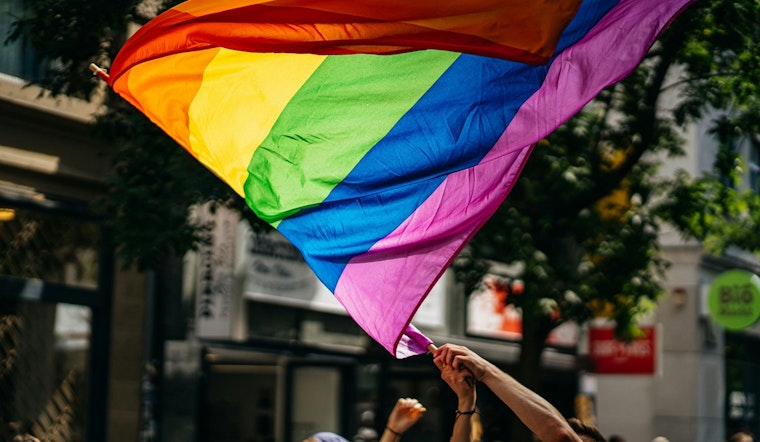
Seattle is quietly wrestling with a big question: should the city declare a civil emergency as a growing wave of queer and transgender people arrive from states where local leaders say it is no longer safe to stay? Local nonprofits, volunteers and service providers report a sharp spike in requests for housing, legal help and gender-affirming care, and say their already thin resources are getting pushed to the limit. The debate is heating up just ahead of Pride Month, while national surveys show relocation has become a go-to response to anti-LGBTQ policies.
Seattle LGBTQ Commission seeks emergency powers
As first reported by Seattle Gay News, the Seattle LGBTQ Commission sent a letter urging the mayor, city council and city attorney to declare a civil emergency focused on internally displaced 2SLGBTQIA+ people. Commissioners describe an urgent strain on service providers and argue that an emergency designation would allow the city to direct money and staff where they are most needed, instead of relying on patchwork volunteer efforts.
The commission says the goal is to turn what has largely been a community-led scramble into a coordinated city response, with a clearer system for shelter, legal aid and healthcare. In their view, formal emergency powers could help prevent people from slipping through the cracks when they arrive with few resources and limited local connections.
Grassroots resettlement groups say they are overwhelmed
At the grassroots level, resettlement work is already in full swing. TRACTION’s Project Open Arms connects trans people leaving hostile regions with volunteers who help with housing searches and referrals to gender-affirming care. Staff and community partners say demand has surged, with volunteers working long hours to keep up.
TRACTION outlines the program on its website, and reporting in the Houston Chronicle notes that organizers have been in contact with about 533 people, including 117 from Texas. Advocates warn that without added support from Seattle and King County, the gap between what volunteers can offer and what newcomers need is likely to grow.
National data signal a broader migration
Local stories reflect a national shift. Plume Clinic’s 2025 relocation survey found that 28.3% of respondents had moved in the previous 12 months, that about 19.7% of those movers reported leaving Texas, and that Washington was among the top destinations for trans people.
A brief from the Movement Advancement Project reported that since the November 2024 election many transgender and nonbinary people have either considered moving or already moved to different states for safety and access to care. Researchers at UCLA’s Williams Institute have likewise found that a substantial share of transgender adults have moved or are weighing a move to more affirming places. Taken together, those findings suggest Seattle is part of a broader migration rather than an isolated case.
What a civil emergency could unlock
Commissioners say that if Seattle declares a civil emergency, the city could quickly assess immediate service needs, tap contingency funds and coordinate across departments and partner organizations to expand shelter capacity and medical access, a strategy described in local coverage of the proposal. They argue that a clear emergency framework would make it easier to respond to urgent requests instead of improvising case by case.
Seattle and King County have used this playbook before. In 2015, they declared a state of emergency over homelessness to speed up shelter openings and move money faster, an approach documented by The Seattle Times. Advocates stress that a new declaration focused on LGBTQ displacement would be intended as a practical tool to deploy resources quickly, not just a symbolic statement about values.
Voices of people who moved
For many trans people, moving is less about chasing a new scene and more about staying alive and healthy. Victoria Scott, a trans woman who left Houston for Seattle, told the Houston Chronicle that the city has “done more for my day-to-day lived experience and mental health as a trans woman than basically any other thing I've ever done.” She described finding peers, care and community that she did not have before.
Her experience is one example of what local advocates say they are seeing repeatedly: people arriving with serious medical and mental health needs, trying to restart their lives in an unfamiliar place while navigating housing costs and long waitlists for care.
Officials' next steps are still unclear
The commission’s request has kicked off conversations among city departments, community organizations and volunteer networks, but there is still no public commitment to an emergency declaration. City leaders are weighing shorter term tools like emergency powers against longer range investments in housing and healthcare, and they have not set a timetable for any formal action by the mayor or city council.
Service providers and grassroots groups say time is a factor. They argue that without rapid coordination and new funding, existing programs could be stretched to the breaking point as more people arrive seeking basic stability and medical care.
Why this matters for Seattle
Emergency order or not, the situation is an early stress test of Seattle’s ability to back up its reputation as a safe haven with actual services: beds, clinics and legal help that can scale beyond a handful of heroic volunteers. TRACTION and other local organizations say they are preparing to ramp up intake and referral work, but are asking the city to match that effort with money, staff and logistics support.
Project Open Arms describes how peer navigators and volunteers help newcomers find stable footing in the region, from first contact to longer term care. Survey data indicate that as long as hostile policies remain in place in other states, the flow of LGBTQ people to more affirming cities like Seattle is likely to continue. That means the choices local officials make now may shape how well the city can respond for years to come.





