

























































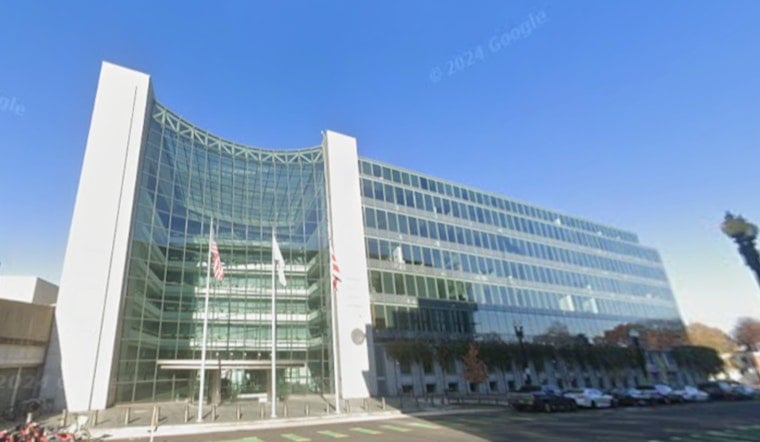
The Securities and Exchange Commission has kicked off a formal rollback of a marquee Biden-era climate disclosure rule that would have forced public companies to spell out greenhouse-gas risks, emissions and related spending in their filings. The reversal promises to reshape how climate exposure shows up in investor reports and could upend compliance plans that many companies have already started building.
According to a report by Bloomberg Law, the SEC sent draft regulations to the White House Office of Management and Budget on May 4, 2026, signaling its intention to rescind the 2024 disclosure package. Reuters reported that an appeals court has put industry-backed legal challenges to the rule on hold. OMB review is a required step before the SEC can publish any formal proposal in the Federal Register.
The final rule the commission adopted on March 6, 2024, would have required companies to disclose material climate-related risks, certain greenhouse-gas emissions and climate-related expenditures in periodic reports. The text laid out phased-in reporting for Scope 1 and Scope 2 emissions, conditions that could trigger Scope 3 disclosures, and new financial statement footnote requirements tied to climate issues. For the full rule text and technical details, see the SEC.
Court fights and past votes
Legal attacks began almost as soon as the rule was finalized, with multiple industry groups and conservative state officials suing to block it. In March 2025 the commission voted to stop defending the rule in court, which effectively froze implementation. That decision spurred opponents to push for a formal repeal and left judges sorting out what to do with pending cases. E&E News and other outlets detailed the commission’s move to walk away from its courtroom defense.
What comes next
The SEC is expected to move toward publishing a formal rescission proposal once OMB completes its review, although the agency has not committed to a specific timetable. Notices on the federal regulatory review site show the climate rollback has been flagged for OMB consideration, a review process that can stretch for weeks or months depending on interagency feedback. See the agency filing on Reginfo.gov for the latest procedural signals.
Why investors and companies care
Backers of the original rule argued that standardized climate disclosures would give shareholders cleaner, comparable data on physical climate risks and corporate transition plans. Critics countered that the rule would impose steep compliance costs and rest on emissions estimates that are often uncertain or hard to verify. The SEC and the Government Accountability Office weighed in on the scope of the reporting requirements and the potential burden in their analyses, and many companies have already been investing in systems and controls to prepare for the now-threatened regime. See the SEC rule and the GAO review for more on the trade-offs and implementation questions the policy raised.
Political and market reaction
SEC Chair Paul Atkins said unwinding the climate rule would restore the commission’s focus to disclosures "that are material to investors" and argued that the shift is "in line with its legal authority," according to Reuters. Analysts and policy watchers noted that the move fits into a broader deregulatory push by the current administration and will be closely watched by investors who have grown used to ever-more climate data. Environmental groups and investor advocates warned that scaling back the rule could dull transparency and make apples-to-apples comparisons across companies tougher.
Legal implications
Because the SEC already pulled back its legal defense of the rule last year, a formal rescission would likely shift the posture of existing lawsuits and could invite new challenges from states, investors or advocacy organizations. Courts will have to determine whether a repeal makes current cases moot or simply changes what is at issue, and the procedural questions remain unsettled as judges and litigants weigh their options. Reporting by E&E News and government filings trace the history of the litigation and the commission’s March 2025 vote.
The road to a final rollback is still winding. OMB must finish its review, the SEC would then have to publish a proposal and take public comment, and only after that could the agency formally erase the rule. In the meantime, investors, companies and lawyers will be combing filings and regulatory notices for any hint of how far the commission plans to go, and how fast it intends to move.



