

























































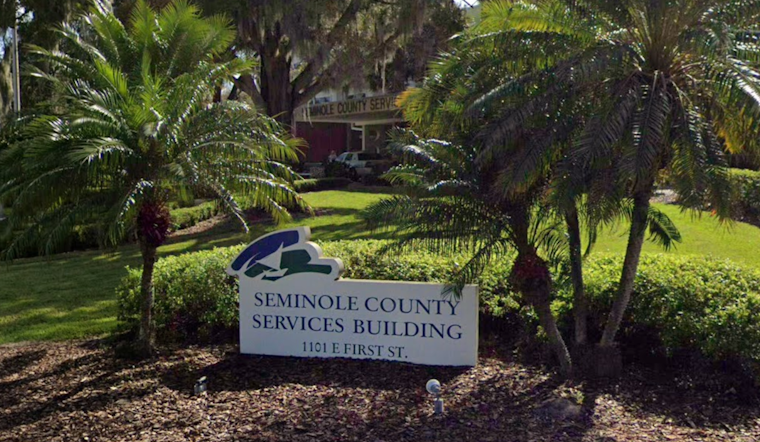
Seminole County is gearing up for a major high-tech push to calm its busiest, most crash-prone intersections, signing off on a plan to chase up to $10 million in federal money for smarter traffic lights and beefed-up camera coverage.
On Tuesday, county commissioners approved a bid for funding from the U.S. Department of Transportation’s Safe Streets and Roads for All program. If the application hits, the money would bankroll an expansion of smart-signal technology, new advanced cameras, and backup power systems at key intersections. The upgrades are designed to cut down on crashes, keep traffic flowing when the power goes out, and give engineers live data to tweak signal timings and spot trouble before it turns into a wreck.
Board sign-off and what is in the ask
According to the Seminole County meeting agenda, the county’s FY26 Safe Streets and Roads for All application will seek up to $10,000,000. The money would go toward Connecting Vehicle (CV) roadside units, Intersection Movement Count cameras (IMCs), CCTV cameras, and Uninterruptible Power Supplies (UPSs) at intersections across the county.
The agenda shows the item was brought to the Board during its May 12 meeting by Public Works staff, who framed the package as a countywide effort to modernize signals and plug the system into a broader safety push already underway.
How the new gear would work on the street
As reported by ClickOrlando, the county plans to layer "safety analytics modules" on top of camera feeds. Those tools are built to sniff out risky patterns in traffic, flag near-miss events, and generate alerts that help officials prioritize fixes at high-risk intersections.
County staff says the analytics could eventually automate signal timing adjustments so lights adapt to real-world conditions, not just preset schedules. The same feeds would also be piped to emergency dispatch, giving first responders a live look at crashes or stalled vehicles and, in theory, shaving precious minutes off response times.
AI test run already happened in Seminole
The concept is not entirely new to Central Florida. MetroPlan Orlando and private partners have already tested similar AI overlays on Seminole County traffic cameras in a demonstration project, according to a company release. In GridMatrix's release, the company explains how its software scans video to flag dangerous interactions and churn out metadata that engineers can use to target safety fixes more precisely.
Seminole’s Vision Zero Action Plan, created with MetroPlan Orlando and funded by an earlier Safe Streets and Roads for All planning grant, already calls for using near-miss camera technology to guide future projects. That recommendation is spelled out in the county plan, which leans heavily on data to decide where to spend road-safety dollars first.
County’s signal network is already wired up
Seminole is not starting from zero on the tech front. A Federal Highway Administration case study notes that the county already operates hundreds of upgraded signal controllers and an Automated Traffic Signal Performance Measures system that pulls detailed, lane-by-lane data from more than 380 signals connected by hundreds of miles of fiber.
A FHWA case study points out that Seminole collects high-resolution turning-movement counts and other signal performance metrics, giving engineers the raw material they need to apply analytics and spot recurring conflict points in the network.
Drivers want less gridlock, quicker help
Local drivers told ClickOrlando they are hoping the high-tech approach will smooth out some of the county’s most aggravating intersections. One resident, Tessa Wagner, said she is on board with automated timing that might keep a light red or green a little longer when traffic clearly calls for it.
County staff adds that tying live video into dispatch would give fire, EMS, and law enforcement better situational awareness before they even arrive on scene. The goal is fewer surprises, faster lane clearances, and response times that trend in the right direction.
What happens next and how long it could take
With the Board’s approval in hand, staff is cleared to submit the Safe Streets and Roads for All application through the federal portal. The FY26 implementation grant window is already open, and applications are due by May 26, 2026, according to U.S. Department of Transportation guidance.
Federal officials say implementation grants typically range from $2.5 million to $25 million and expect projects to be ready to move into implementation within five years of a grant agreement.
If Seminole’s request is funded, county leaders say the new equipment would roll out first along corridors flagged in the Vision Zero Action Plan and in coordination with city partners throughout the county. Seminole’s Vision Zero plan lays out a ranked list of safety projects that officials say could move more quickly with an injection of federal cash.





