

























































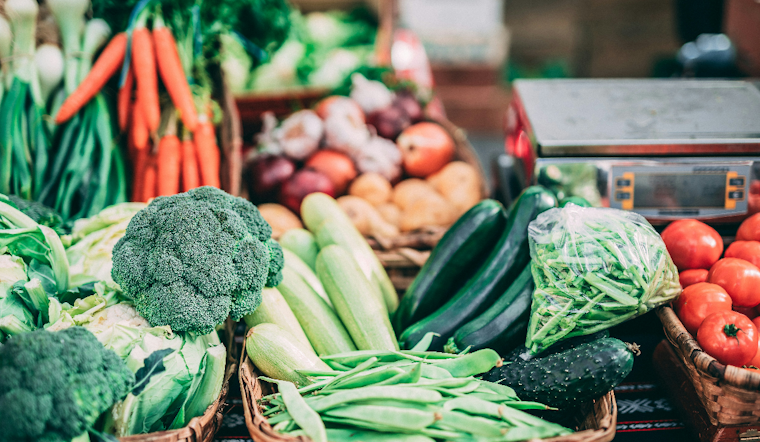
A vacant building at 536 N. Westmoreland Drive in Orlando has been transformed into Parramore Market, a 5,000-square-foot micro-grocery store, community resource hub, and choice-based food pantry aimed at closing a stubborn gap in fresh food access in the heart of the city. The project grew directly out of weekly food lines that had swelled far beyond what organizers ever expected, forcing a shift from pop-up distributions to permanent neighborhood infrastructure.
The store is the work of The Desire Foundation Inc., a nonprofit founded during the COVID-19 pandemic in 2020 by Executive Director Jennifer Desir Hilaire, who launched Project 814 to deliver meals, clothing, and essential resources to Central Florida families, according to WKMG. What began as modest weekly Friday food distributions in Parramore ballooned over time, expanding from serving 50 to 60 residents to accommodating roughly 400 people every week, with about 30,000 pounds of food given away at each event.
That surge in need is what convinced organizers that a folding table and a food line could no longer keep pace with the neighborhood's demand. As WESH reports, board member David Akintonde discussed the new market with the station, describing it as offering more than just food for residents of Orlando's historic Parramore district.
Public Grant and Private Design Firm Powered the Buildout
Turning a vacant building into a functioning grocery store required both public and private support. In June, the Parramore Market project received a $100,000 grant from OBT NEXT, an Orange County community redevelopment agency program, to cover building renovations, safety updates, and code compliance, the same WKMG report notes.
On the private side, design-build firm Interstruct Design + Build partnered with The Desire Foundation in 2025 to help acquire, design, and renovate the Westmoreland Drive property, while also assisting with the store's branding, according to Bungalower. The Desire Foundation's board includes Vice Chair David Akintonde alongside Board Chair Nick Maharaj and Founding Board Chair Ryan Young, who also serves as CEO of Interstruct Inc., per the nonprofit's own leadership listing.
A Hybrid Model of Free Produce and Low-Cost Staples
Parramore Market operates under what organizers call a light retail micro-grocery model, blending free fresh produce distribution with low-cost staple groceries for sale. The store sets aside dedicated operating days, including senior shopping on Wednesdays and public shopping on Saturdays, Bungalower reports.
That structure is designed to serve residents who need emergency food assistance while also offering an affordable retail option for everyday grocery shopping, rather than forcing everyone through a single pantry line. It's a deliberate attempt to build something that functions like a real neighborhood store rather than a temporary relief operation.
Why Parramore Needed a Grocery Store
Parramore sits within West Orlando's 32805 ZIP code, an area that has long been designated a food desert because of its scarcity of full-service supermarkets and its heavy reliance on corner minimarts and fast food outlets, according to Fleet Farming. That physical gap in access has made it harder for residents to buy fresh produce close to home, even as demand for food assistance climbed.
The disparity shows up starkly in regional data. Second Harvest Food Bank of Central Florida's 2025 Map the Meal Gap report found that 26% of Black residents and 18% of Hispanic residents in the region face food insecurity, compared with 11% of white residents. Across the food bank's seven-county Central Florida region, an estimated 588,450 people, including 153,460 children, or roughly 1 in 6 kids, experienced food insecurity, according to the same 2025 report.
Those local figures echo a broader national picture, with 48 million people across the United States facing food insecurity, per WESH. For Parramore Market's organizers, that scale of need is precisely why a weekly food line was no longer enough, and why the neighborhood needed a permanent fixture instead. Whether fundraising and inventory can keep pace with demand once regular retail and pantry hours are fully underway remains an open question as the store settles into its new role.





