

























































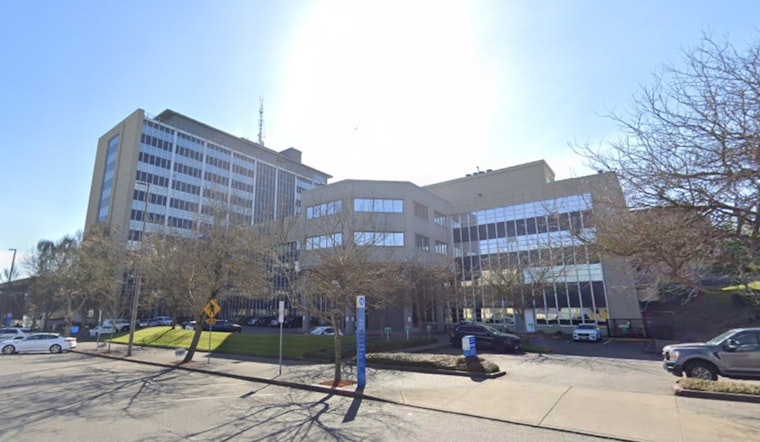
Pierce County’s jail plumbing problems are no longer just a nasty inconvenience for people behind bars; they are now the center of a high-stakes federal court fight that could hit the county’s wallet hard. A federal magistrate has recommended class status for detainees who say decades‑old plumbing defects sent raw sewage and noxious gases into multiple cell blocks. If a district judge signs off, the county could be forced into costly fixes and face broad legal claims from people locked up there.
Court moves toward class action
In an April 30 recommendation, Magistrate Judge S. Kate Vaughan urged that former detainees Zakery Bonds and Echota Wolfclan be named class representatives and that the class cover everyone jailed in cell blocks where plumbing defects have not been remedied, according to The News Tribune. That recommendation now sits with U.S. District Judge Thomas Zilly and could be a crucial step toward an injunction or broader court-ordered remedies.
Record shows long‑running plumbing failures
Court filings and earlier orders show that an outside engineering review in 2014 warned that toilets were cross‑flowing between adjacent cells and advised the county to replace the fixtures. The court later ordered broader discovery into the jail’s plumbing, as detailed in a 2024 order available on Justia. Those materials include years of maintenance records and detainee complaints, underscoring that these issues have been simmering for a long time.
Plaintiffs' accounts and expert inspections
Vaughan’s report recounts detainees describing toilets filling with raw sewage, a maintenance worker shouting “Stop flushing, stop flushing!,” and inmates waking up to floors covered in overflow, which is about as far from standard wake‑up call as it gets. The report also cites expert inspections conducted last summer that found painted‑over or clogged floor grates and corroded piping. As The News Tribune notes, that 2014 engineering review estimated roughly $3.1 million to overhaul the plumbing. Vaughan found that plaintiffs had submitted hundreds of grievances documenting repeated complaints, which they say show county officials had long known about the odor and backflow problems.
What it could mean for Pierce County
If Judge Zilly adopts the recommendation, the court could issue an injunction requiring repairs or outside oversight and open the door to coordinated claims across related federal cases. Under federal procedure, the county has 14 days to object to a magistrate judge’s recommended decision, a timeline spelled out in Rule 72. Docket aggregators and court records show multiple related lawsuits and ongoing discovery that could push the case toward systemic relief, according to the Civil Rights Litigation Clearinghouse. Plaintiffs also previously told public radio they settled an earlier complaint for $33,000, hoping that would spur repairs, as reported by KNKX.
Next steps
Pierce County can still file objections, after which Judge Zilly will decide whether to adopt, modify, or reject Vaughan’s recommendations. If he adopts them, the case will shift into a phase where requests for injunctive relief and class‑wide damages are litigated. Court records indicate that discovery and summary‑judgment briefing have been active since 2024, so even with class certification, any final, binding fix to the jail’s plumbing is likely months away, according to filings available via Justia.





