

























































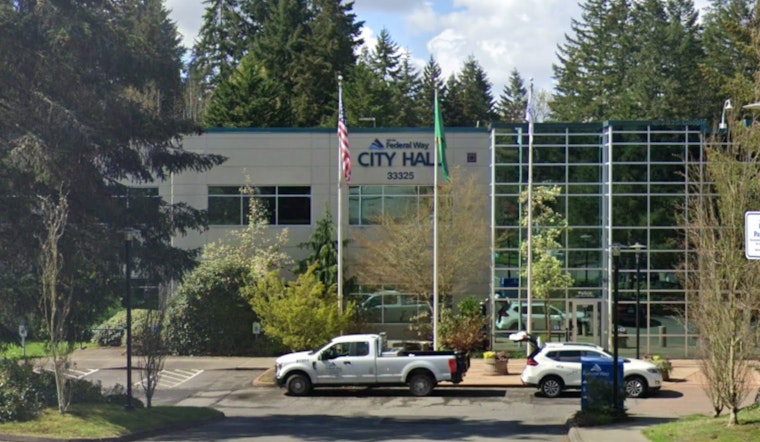
Federal Way leaders are moving to crack down on massage businesses they say are fueling a growing sex-for-pay problem along Pacific Highway, advancing a local ordinance that would tighten rules, narrow operating hours and give police more muscle to shut down suspect shops.
What the ordinance would require
Under the draft rules, every massage therapist would have to hold a valid state massage license, post it where customers can see it and display a full menu of services offered. The proposal would also bar parlors from operating between 10 p.m. and 6 a.m., prohibit cash transactions, require that front doors stay unlocked during business hours and outlaw internal alarm systems designed to warn staff about nearby police activity. Those details come from reporting by KIRO 7.
Police: enforcement will be easier
Federal Way Police Chief Andy Hwang told the City Council the ordinance is meant to fix long-running enforcement headaches created by the way some businesses operate.
"It won't take long for these businesses that are involved in illegal activity for them to know that there's an ordinance now and we will be enforcing it," Hwang said, according to KIRO 7.
Local enforcement history
The city is not starting from scratch. Federal Way has already seen prosecutions tied to illicit massage operations in recent years, including a high-profile case involving storefronts accused of offering sexual services and housing workers. That case ended in guilty pleas, as detailed by the Federal Way Mirror. Officials say that history, along with undercover investigations, helped shape the proposed rules.
Regional pressure and recent raids
Across the Puget Sound region, law enforcement agencies have been ramping up stings and inspections as neighboring cities field similar complaints about massage businesses selling sex behind ordinary storefronts. Federal Way police say they have identified dozens of suspected locations, and local coverage has tracked recent raids and safety checks in nearby communities, a pattern noted by the Renton Reporter.
Legal and practical questions
State law already requires licensed massage therapists to display credentials and keep photo identification on hand. Those rules are laid out in RCW 18.108, which the Federal Way ordinance would effectively reinforce at the city level.
Observers say provisions such as banning cash payments and requiring unlocked front doors are meant to make it easier for investigators and inspectors to spot trouble and build cases. Civil-liberties and worker-advocacy groups in other places, however, have warned that any crackdown should be paired with outreach and services so that trafficking victims and other vulnerable workers are not pushed further into the shadows.
What happens next
The ordinance received its first reading on April 21 and was set for a second reading and possible final approval during the week of May 5, according to the Renton Reporter. If the council signs off, city staff and police say enforcement would begin soon after the ordinance is adopted.
Supporters argue the tighter rules will make it harder for illegal operations to hide in plain sight and will help legitimate therapists distance themselves from illicit activity. Critics counter that any enforcement push needs to be closely watched and paired with resources for people who may be victims of trafficking.





