

























































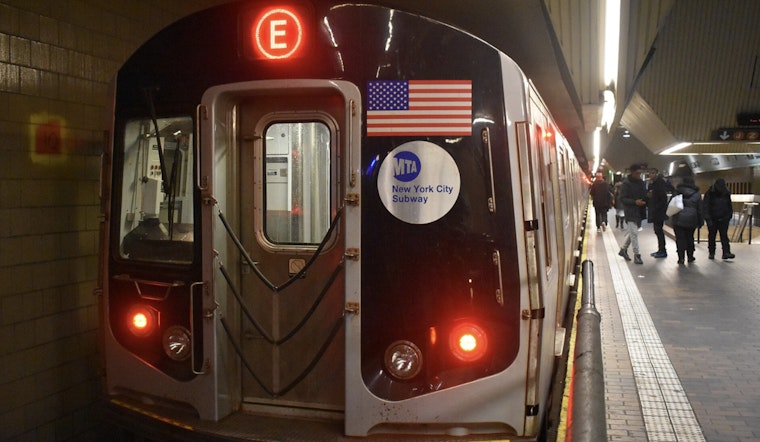
Wednesday’s rush-hour commute turned into a grind for many New Yorkers after multiple subway lines were partly suspended, then crept back with severe delays. Packed platforms in Manhattan and Queens and packed trains forced riders to scramble for alternate routes just as the morning crush peaked.
Which lines were affected
According to PIX11, the MTA blamed a technical problem with the subway signal system for partial suspensions on the E, F, M, and R lines early Wednesday. Some trains were turned or ended short: for instance, the R did not run between 57th Street/Seventh Avenue and 71st Street, and the M did not run between Essex Street and Forest Hills–71st Avenue. Other services were rerouted or cut back to shorter terminals while crews worked on the issue. PIX11 also reported several temporary workarounds, including F trains operating via the G between Bergen Street and Court Square and E trains operating via the C between West 4th Street and 168th Street.
MTA alerts and timeline
Live logs and alert aggregators show the trouble started overnight and bled straight into the morning peak. Switch issues, brake activations, and door problems popped up across the system, stretching out delays even after the initial suspensions were eased. An aggregator of MTA advisories tracked dozens of related incidents from late Tuesday into Wednesday, including trains with brakes activated and switch repairs that had to be cleared before full service could return. Those real-time advisories appear in the MTA’s own alert feeds and on third‑party trackers like delays.fyi, which compiles official status updates.
Signals remain a stubborn weak point
Signal failures are a familiar villain in the subway saga. An analysis by the Office of the State Comptroller found that signal faults rank among the top causes of system slowdowns and urged faster, better‑funded upgrades along with stronger interim maintenance to keep problems from snowballing. The report notes that long‑term modernization of signals, including CBTC, can cut down on these episodes, but it also stresses the need to keep aging equipment in better shape so one technical fault does not ripple through multiple lines. That long‑term infrastructure backdrop helps explain how a single glitch can land as a full‑blown rush‑hour disruption.
How riders can navigate
The MTA urges riders to use the Service Status box on its homepage or the MTA app for up‑to‑the‑minute advisories and suggested detours. The agency also pushes alternate‑route guidance through its alert feeds when major problems hit. PIX11 reported that dispatchers encouraged riders to shift to other subway options such as the N or W, or to take surface buses for Manhattan‑Queens trips while inspections continue. Anyone with a time‑sensitive trip is being urged to budget extra minutes and consider surface transit until service steadies.
Residual delays are expected through the morning as crews finish inspections and move disabled equipment. Riders should check official MTA alerts and transit apps before heading out for confirmed reroutes or station‑specific advisories. This report will be updated if the MTA issues new service information.





