

























































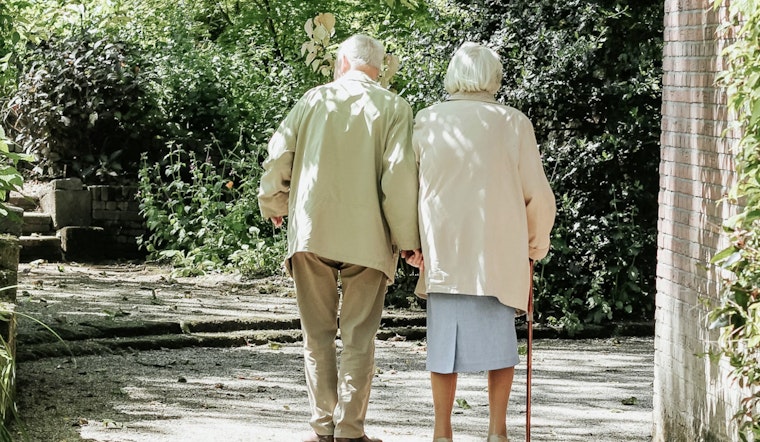
Behind the closed doors of apartments and row houses across New York City, far more older adults are being abused than official numbers show. A new city survey, combined with longstanding state research, indicates that many seniors are quietly enduring mistreatment and never telling the authorities. That gap between what victims live through and what gets reported is exactly what elder-justice teams and senior centers are trying to close across the five boroughs.
City Survey Finds Nearly 15% Of Older New Yorkers Faced Abuse Or Crime
The New York City Department for the Aging gathered about 8,600 responses for its Service Needs Assessment. Roughly 14.9% of older respondents said they had experienced elder abuse or crime since turning 60, and 51.4% of those victims did not report the incident to police, according to the NYC Department for the Aging. City officials note that even those numbers probably fall short of the real scope, since homebound and socially isolated seniors are the hardest to reach with any survey.
State Study Shows Most Cases Never Reach Authorities
A statewide prevalence study has long suggested that agencies only see a fraction of what is happening. The New York State "Under the Radar" elder abuse study estimated that the incidence rate of elder mistreatment was nearly 24 times greater than the number of cases referred to social service programs and law enforcement, per the Under the Radar study. Researchers and state agencies still cite that finding when they talk about how many victims never reach any kind of formal response system.
State Programs And E‑MDTs Try To Close The Reporting Gap
New York has built a patchwork of prevention and response efforts, from public awareness campaigns to Enhanced Multidisciplinary Teams, known as E‑MDTs, that pull together banks, prosecutors, social workers and health providers to intervene in complex cases. The New York State Office for the Aging reports that E‑MDT interventions led to about $4.8 million in restitution between 2014 and 2023, with roughly $1.3 million returned directly to victims, according to the New York State Office for the Aging. Officials say that kind of coordinated response can remove practical barriers that stop older adults from reporting what is happening to them.
Community Groups Step In As Neighborhood First Responders
On the ground, local senior centers and nonprofits often become the first place older New Yorkers turn. Sunnyside Community Services in western Queens runs an Elder Justice program that offers outreach, case assistance and court accompaniment to older adults who might not otherwise know how to deal with police, banks or family court, according to Sunnyside Community Services. These neighborhood programs emphasize culturally competent outreach in order to reach people who stay hidden because of language barriers, immigration concerns or pressure within their own families.
Voices From The Front Lines Of Elder Abuse
"I won't let anybody take advantage of me," said 85‑year‑old Chandra Anand, a two‑time cancer survivor quoted in recent coverage about elder justice. Sunnyside's Shyvonne Noboa told CBS New York that staff "provide case assistance" and can accompany victims to court or work with district attorneys and banks when financial exploitation is suspected.
How To Spot The Warning Signs
Elder abuse can be physical, financial or emotional. Common red flags include unexplained bruises or bedsores, sudden changes in spending or access to money, poor hygiene or noticeable weight loss, and growing isolation from friends, neighbors or services. State guidance highlights these signals and urges neighbors and service providers to document what they observe and raise concerns with adult services professionals, per NYSOFA. Officials also point to caregiver burnout and a lack of training as key risk factors that can make abuse or neglect more likely.
Where Older New Yorkers Can Turn For Help
If someone is in immediate danger, authorities say to call 911. For non‑emergencies, the state operates an Adult Protective Services hotline at 1‑844‑697‑3505 and a confidential helpline for concerned friends or family members at 1‑844‑746‑6905. The New York State Division of Consumer Protection and local elder‑justice teams also offer guidance on reporting scams or financial exploitation and can help victims file police reports or contact banks to freeze suspicious transactions, according to the New York Department of State.
Advocates say the basic steps are straightforward: notice changes, write down what you see and reach out to a trusted adult center or hotline. With city survey data, state programs and neighborhood centers working in tandem, more older New Yorkers may be able to leave abusive situations and regain both financial security and physical safety.





