

























































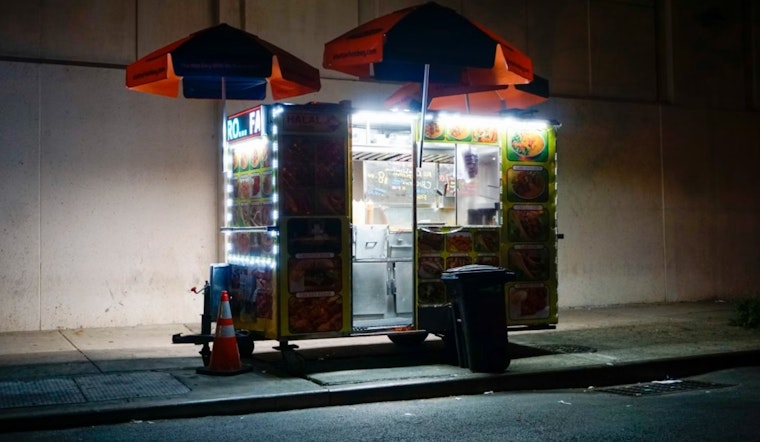
In a city famous for all-you-can-eat buffets and late-night cravings, the official street food scene is barely a blip. Nearly two years after Nevada legalized sidewalk vending, the Southern Nevada Health District says only 17 vendors are fully licensed across the Las Vegas Valley. That tiny number has many sellers staying informal or skipping the licensing maze altogether. Vendors and advocates say a mix of high fees, commissary requirements and strict local rules is pushing small operators out of the legal market.
The district reports that only four new permits have been approved so far this year, keeping the total at 17 licensed vendors, according to FOX5. That reporting includes interviews with state Sen. Fabian Doñate and vendors who say inspections, plan reviews and insurance requirements can take months to clear and can add up to thousands of dollars in start-up costs before anyone sells a single taco.
State Law Set the Stage, Locals Wrote the Script
Nevada legalized sidewalk vending in 2023 with Senate Bill 92, creating a statewide framework while leaving most time, place and manner decisions to counties and cities. That includes a ban on vending within 1,500 feet of resort hotels and major venues, according to the Nevada Legislature. The bill opened a legal path for vendors but also required local health districts to build out their own permitting systems.
Local Rules and Fees Stack Up Fast
Clark County and several cities followed up with ordinances that limit where vendors can operate, cap cart size and set operating hours, while also requiring a city or county business license, a health permit and liability insurance. The Las Vegas Review-Journal details those spacing and operating limits. Local coverage has also tallied the start-up costs, from state business licenses to health-district plan reviews and commissary rentals, which can run roughly $1,200 to $1,500 depending on the jurisdiction, according to KTNV. The Southern Nevada Health District outlines the required inspection and plan-review steps in its mobile-vendor guidance, per SNHD.
Push to Loosen Rules Hit a Veto
Lawmakers tried to dial back some of those requirements in 2025 with a bill that would have allowed certain lower-risk foods to be prepared on carts, a change that might have cut commissary costs for some vendors. Gov. Joe Lombardo vetoed the measure, the Institute for Justice reported. The group also noted how slow implementation has been, saying only six vendors had finished the full licensing process as of March 2025, which highlighted the wide gap between legalization on paper and a robust legal vending scene on the street.
Vendors Call the Process Pricey and Confusing
Those who have made it through the system describe it as both expensive and a test of patience. “Getting my license was a bit of a challenge because we didn’t have enough resources to do it, but thank God, with a little determination, anything is possible,” vendor Bertin Gonzalez told FOX5. Earlier coverage of the first licensed Clark County vendor found that the health-permit inspection was the slowest piece of the puzzle and that the overall start-up tab can be steep, according to KTNV.
What Could Change Next
Sen. Fabian Doñate, the sponsor of SB92, has said he plans to keep pushing in the next legislative session for reforms and more uniform rules across jurisdictions, according to The Nevada Independent. Local governments are still tinkering with ordinances and health-district procedures as the program rolls out, and advocates say targeted help, such as fee waivers, shared commissary space or grant programs, could be the practical tools that finally bring more of Las Vegas’s street vendors into the licensed system.





