

























































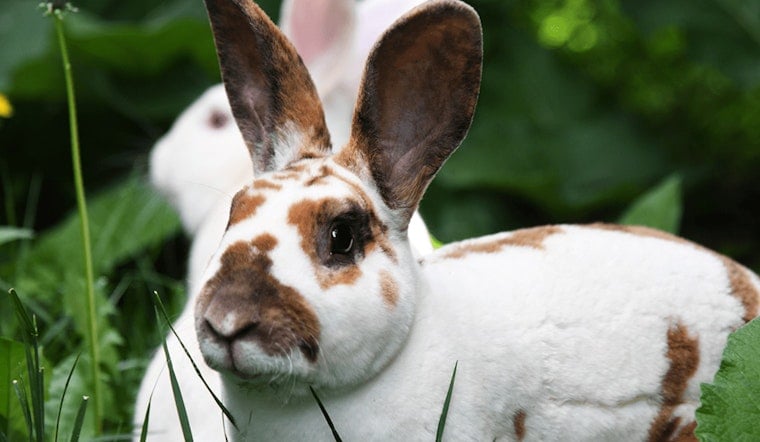
A highly contagious rabbit virus with a mortality rate above 80% has been confirmed in the Las Vegas area, and Nevada wildlife officials say it is now considered endemic statewide. The disease, known as rabbit hemorrhagic disease virus serotype 2, or RHDV2, was confirmed this spring at Red Rock Canyon National Conservation Area, just 15 miles west of the city, after a cluster of dead rabbits was discovered along the popular recreation corridor.
Bureau of Land Management staff collected and submitted at least seven rabbit carcasses found in a concentrated area for diagnostic testing, according to Save Red Rock Canyon. As reported by the Las Vegas Sun, the virus belongs to the calicivirus family and infects rabbits, hares and pikas, though it does not infect humans or other animals. Rabbit hemorrhagic disease is nicknamed “bunny ebola,” even though it is unrelated to the actual Ebola virus.
What the Virus Does to Infected Rabbits
Dr. Nate Lahue, the state wildlife veterinarian for the Nevada Department of Wildlife, said rabbit hemorrhagic disease carries more than 80% mortality, and wild rabbits appear to face a similar likelihood of death as pet rabbits, based on anecdotal studies cited in the Sun's reporting. Death typically comes within one to three days of the onset of clinical signs, which can include lethargy, refusal to eat, nervous and respiratory symptoms, yellowed skin, nosebleeds, visibly bleeding eyes and blood in the feces. In some cases, according to the same report, infected animals collapse and die without showing any symptoms at all.
The disease causes tissue death and hemorrhage in the liver, and there is currently no cure for infected rabbits and no reliable antibody test, according to experts cited by the Sun. Nevada's first confirmed case was found in a rabbit near Boulder City after the wider spread of the virus among wild rabbits was first detected nationally in 2020. Rabbit hemorrhagic disease was first found in New Mexico before turning up in jackrabbits in Arizona and other states, per the outlet's reporting.
An Endemic Threat Across the West
The virus has since become entrenched region-wide. The U.S. Department of Agriculture's disease map lists rabbit hemorrhagic disease as endemic throughout the western United States, a designation the Pennsylvania Game Commission notes was formalized in August 2023 across 14 states, including Nevada, Arizona, California and Utah. That status means the virus circulates continuously among wild jackrabbits and cottontails without needing to be reintroduced.
The pattern isn't new to Nevada. The Nevada Department of Agriculture had already recorded confirmed cases across at least eight counties — Clark, Nye, Douglas, Pershing, Lander, Lyon, Elko and Washoe — within 15 months of the virus's initial detection in the state in spring 2020, showing how little of Nevada has ever been insulated from exposure. A multi-year regional study published in July 2024 examined 916 wild lagomorph mortality samples collected across 14 western states between March 2020 and March 2024 and found that 313 samples, or 34.2%, tested positive for RHDV2, according to research published in MDPI.
The strain first emerged in France in 2010 as a novel calicivirus capable of infecting native North American rabbits and hares, unlike classic RHDV strains that affected only European domestic rabbits, according to background compiled by the USDA Animal and Plant Health Inspection Service. It was first detected in a U.S. pet rabbit in Ohio in 2018 before spilling into wild southwestern lagomorph populations in March 2020.
Rabbits as the Base of the Desert Food Web
Nevada rabbit populations are down, and wildlife officials say the disease could trigger severe cascading effects on the broader ecosystem, in part because rabbit hemorrhagic disease is believed to be underreported. Rabbits serve as an important food source for several predator species, and the exact causes of the population decline — the virus, drought, or both — remain unclear, the Sun's reporting notes.
Golden eagles hunt primarily rabbits, hares, squirrels and related rodents, and the loss of rabbits could threaten golden eagle survival in the region. Lahue said drought combined with rabbit hemorrhagic disease could affect golden eagle offspring production. Coyotes, meanwhile, could turn to alternative prey such as young deer if rabbits become scarce, illustrating the kind of ripple effect officials are watching for across the food chain.
How the Virus Spreads and What's Being Done
RHDV2 can survive up to 100 days in dry conditions, spreading through human or animal contact with sick animals or remains, or indirectly through contaminated clothing, shoes, tires, insects or forage, according to the American Veterinary Medical Association, which recommends that domestic rabbit owners maintain strict indoor biosecurity and isolate new rabbits for 30 days since survivors can become asymptomatic carriers. The virus's resilience in dry desert soil makes high-traffic recreational destinations like Red Rock Canyon an ongoing biosecurity concern, since trail visitors' shoes and vehicle tires can carry virus particles between sites.
Nevada does not vaccinate wild rabbits, in part because logistical limits make it difficult and because local desert cottontails and jackrabbits are not classified as rare or endangered. Some states have taken a different approach for threatened species: Washington and California have run targeted experimental vaccination programs for the Columbia Basin pygmy rabbit and riparian brush rabbit to prevent localized extinctions, according to the same MDPI research. Domestic rabbit owners, by contrast, do have an option — veterinarians can provide preventive vaccination for pets, and in November 2023 the USDA Center for Veterinary Biologics granted a Conditional Use License to South Dakota-based Medgene for a two-dose RHDV2 vaccine, expanding on the emergency authorization first issued in 2021, per PR Newswire.
Nevada's Response and How to Report Sick Wildlife
Lahue said habitat connectivity and overall habitat health are important tools for managing the pathogen going forward. The Nevada Department of Agriculture also strongly discourages live rabbit shows, exhibitions and commingling events, citing the virus's extreme environmental persistence and the risk of rapid facility-wide transmission — guidance relevant to local fairs, 4-H clubs and domestic rabbit breeders.
Nevada's approach echoes steps taken next door: Arizona lowered hunting limits on cottontails and jackrabbits and asked hunters to bury rabbit remains in the field to keep scavengers from spreading the virus further. People who find dead rabbits in Nevada should report the carcasses to the Nevada Department of Wildlife. Sick and dead wildlife can be reported to the department's Reno headquarters at 775-688-1500.


