

























































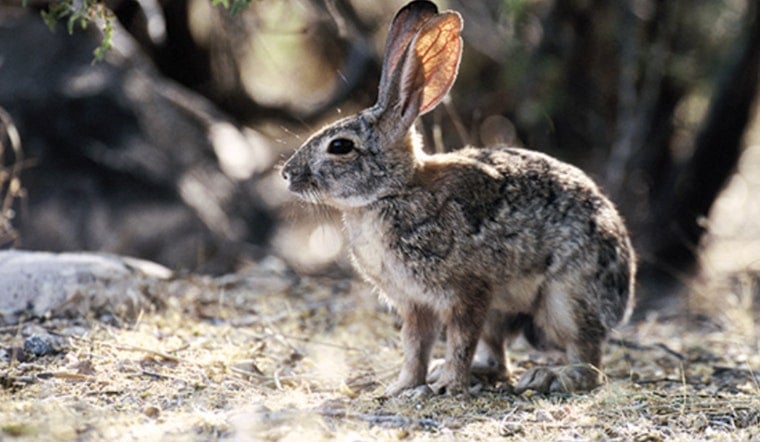
Arizona hunters are getting an unusual request from wildlife officials: if you shoot a rabbit, you may also need to grab a shovel.
State wildlife managers are asking hunters across Arizona to help slow a deadly rabbit virus by removing carcasses from the field, burying remains, dialing back harvests, and tightening up hygiene while field-dressing. Those basic steps, officials say, can cut down transmission to scavengers and other wild lagomorphs and give stressed populations a chance to recover after earlier outbreaks that hit some species harder than others.
According to AZFamily, the Arizona Game and Fish Department reports that Rabbit Hemorrhagic Disease Virus Type 2 (RHDV2) is now widespread in wild rabbits across the state. That outlet notes the virus can spread through physical contact with bodily fluids, fecal material, or remains, and that predators and scavengers can unwittingly move infected carcasses around the landscape.
State Playbook: Bury the Remains, Ease Off the Trigger
According to the Arizona Game and Fish Department, hunters should remove rabbit carcasses from fields and bury remains deep enough that coyotes and other scavengers are not likely to dig them up. Officials say meat from healthy, legally harvested rabbits is considered safe for people to eat when it is handled and cooked properly.
As part of its RHDV2 response, the department has lowered daily bag and possession limits for cottontails and created daily limits for jackrabbits. The agency says those tighter limits are meant to give prey populations breathing room to rebound while reducing the chances the virus can keep circulating through scavengers or through people unknowingly moving infected material.
What RHDV2 Is And Why It Matters
Rabbit Hemorrhagic Disease Virus Type 2 is a highly contagious calicivirus that can be fatal to both wild and domestic rabbits, according to the U.S. Department of Agriculture’s Animal and Plant Health Inspection Service (APHIS). The agency notes the strain was first detected in U.S. wild rabbit populations in March 2020 and can spread by direct contact between animals, contaminated carcasses or materials, and via scavengers that feed on infected remains. APHIS also reports the virus is not known to infect people.
How Hunters Can Help And Where To Report
Hunters are being urged to treat every outing a bit more like a biosecurity drill: wear gloves while field-dressing, clean and disinfect knives, tools, and gear, keep harvests below the legal maximum, and either remove or properly bury carcasses to break potential chains of transmission.
The Arizona Game and Fish Department notes in its small-game forecast that cottontail numbers are starting to rebound in some parts of the state, while jackrabbit populations are still lagging behind pre-virus levels, which makes local caution especially important.
Unusual wildlife deaths or sick rabbits should be reported to the Arizona Game and Fish Department’s Wildlife Health Program via email at [email protected] or through the department’s radio room at 623-236-7201, per AZFamily.
Hunters can still pursue cottontails and jackrabbits year-round under the revised limits, but officials say a bit of restraint, plus those extra field precautions, will go a long way toward helping Arizona’s rabbit populations recover. For more details, hunters are directed to the Arizona Game and Fish Department’s guidance and the federal APHIS RHDV2 resources referenced by wildlife managers.





