

























































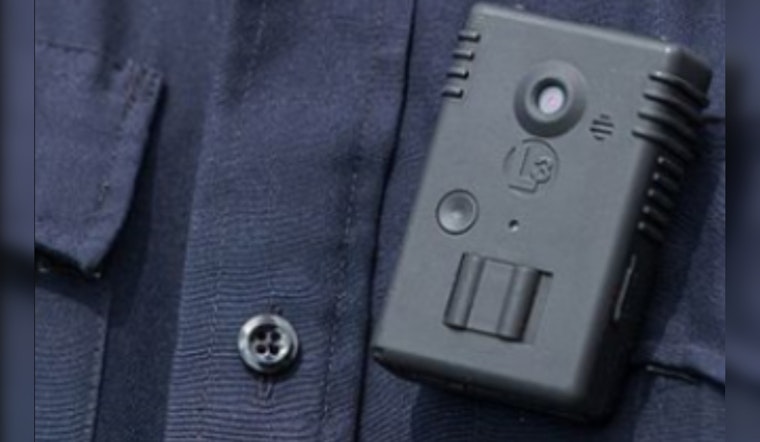
At least eight officers from the Los Angeles Police Department’s 77th Street Division gang enforcement detail are under internal investigation after allegations they shut off their body‑worn cameras and carried out undocumented traffic stops across South L.A. The encounters, described by sources as “ghost stops,” have rattled neighbors and police accountability advocates. Several officers have been temporarily pulled back from most public contact while investigators sort out whether department rules or procedures were broken.
According to the Los Angeles Times, undercover LAPD investigators caught members of the 77th Street gang enforcement detail conducting ghost stops while they were under surveillance. The paper reports that the LAPD’s Special Operations Division tailed officers suspected of misconduct, and that a confidential internal audit uncovered body‑camera misuse among patrol officers in three additional divisions. That audit reportedly cited weak oversight and confusion about when cameras must be on. “The Department holds its employees to the highest standards of professionalism, accountability, and integrity,” Officer Norma Eisenman said in an emailed statement to the Times.
Critics Say ‘Ghost Stops’ Gut Community Trust
Gang historian Alex Alonso questioned why aggressive gang suppression tactics remain so intense at a time when serious violence has ebbed. “Why is the level of suppression still where it’s at where violent crime is at an all‑time low?” he asked, as quoted by the Los Angeles Times. Community organizers and civil‑rights advocates argue that undocumented stops and encounters that unfold with cameras off make it far harder for residents to challenge misconduct and to rebuild trust with the officers who patrol their blocks.
Echoes Of The Mission Division Gang Unit Scandal
The new probe is stirring memories of complaints that surfaced in the Mission Division in late 2022 and the criminal case that followed. The Los Angeles County District Attorney’s Office charged officer Alan Carrillo in April 2024 with two counts of altering, planting or concealing evidence and three counts of petty theft after prosecutors alleged he took items from people during stops. Carrillo pleaded not guilty. Local coverage at the time linked those accusations to a broader internal review of gang enforcement work in the San Fernando Valley, which drew both administrative and criminal scrutiny.
What Could Happen To The 77th Street Officers
The current review is administrative on paper, yet it carries a wide range of possible outcomes. Investigators could recommend retraining, tighter supervision, policy changes, formal discipline or, if they believe crimes occurred, referrals to prosecutors. A number of employees have already been placed on restricted duty while the inquiry moves forward, a step meant to limit direct public contact while personnel investigations are underway. City crime statistics show year‑to‑date drops in several major categories through late April, a reality some critics point to when questioning why officers are still engaging in aggressive, off‑camera contacts that are not properly documented. The LAPD’s own crime snapshot backs up those recent declines.
Legal Fallout If ‘Ghost Stops’ Are Proven
If investigators conclude that officers deliberately disabled cameras or carried out undocumented stops, defense attorneys could challenge affected cases in court, and the officers involved could face administrative punishment or criminal charges. The 2024 case against Alan Carrillo and the follow‑up referrals highlight how internal probes can spill into the courtroom when investigators uncover problems with evidence handling or potential civil‑rights violations, according to the Los Angeles County District Attorney’s Office and contemporaneous reporting.





