

























































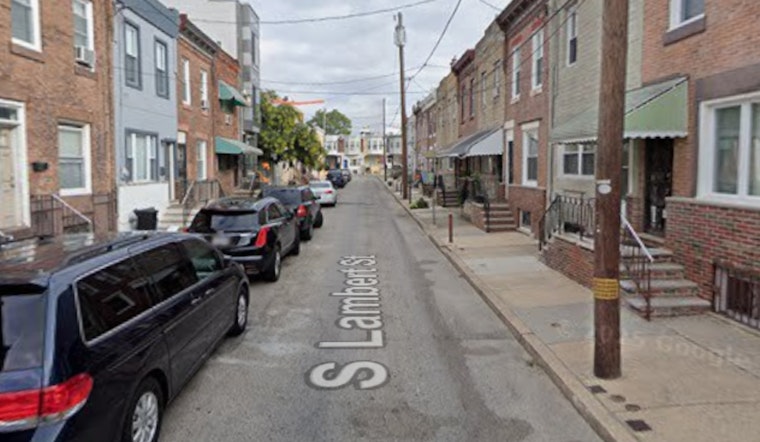
On Lambert Street in South Philadelphia, one parking space has turned into prime real estate for a dense colony of honey bees that has set up shop inside a sewer under the asphalt. Neighbors have roped off the spot while local beekeeper Mark Berman, of Anna Bees Honey, works on a slow, careful eviction. Rather than popping the sewer cover and sending thousands of bees into the air, Berman has installed a trap designed to lure them out and make it tough for them to get back in. He estimates the hive could be home to more than 10,000 bees and says the relocation may take several weeks.
Residents say they have noticed the colony buzzing in the sewer for three to four weeks. One neighbor, Thom Duffy, even caught video of a massive swarm clustered around a nearby car. After trying to get help from the city and getting nowhere, neighbors turned to Berman for backup, as reported by 6abc.
Berman told reporters this was his first time seeing a colony living in a sewer and warned that lifting the cover could send the bees into a frenzy and make them aggressive. Instead, he set up a funnel-style trap that lets bees leave the sewer but makes returning difficult. Once enough of the colony moves into the trap box, he plans to cart them away and collect what some neighbors have already nicknamed “sewer honey,” according to 6abc.
How beekeepers are removing the hive
Local beekeepers often rely on nuc boxes and bait hives to scoop up swarms and relocate them without killing the bees. Recently, Don Shump of Philadelphia Bee Company collected a swarm in Center City by literally scooping bees into a nuc box, a move that seasoned beekeepers say is fairly standard when paired with simple trap boxes, as reported by PhillyVoice.
Why swarms usually aren’t dangerous
Swarms are part of the honey bee’s normal reproductive cycle and are often relatively calm while scout bees search for a new home. Extension guidance notes that swarms are typically not aggressive unless they are disturbed. Still, people with severe allergies are urged to keep their distance and call a beekeeper or pest professional rather than stepping in themselves, Texas A&M School IPM advises.
Berman is a longtime South Philly beekeeper who manages multiple colonies and sells honey under the Anna Bees Honey label, as reported by The Inquirer. His longstanding work in the neighborhood helped explain why, when city help fell through, neighbors went straight to him for a humane solution.
In the meantime, residents have blocked off the beehive parking spot with planters and homemade signs while the trap quietly does its job. Berman says he expects to return once the bees have fully moved into the box, taking the hive with him and likely leaving behind a jar or two of local honey. He cautions, though, that any big changes on Lambert Street will probably unfold over weeks, not days.





