

























































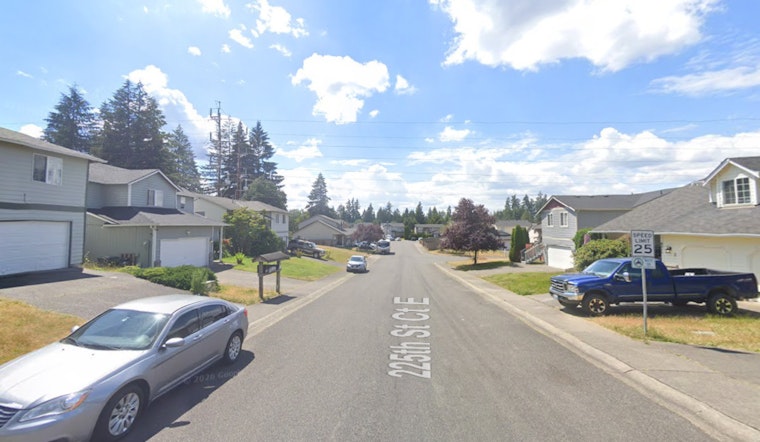
Drivers in Spanaway are being told to watch their gas tanks after Pierce County deputies uncovered a brazen fuel theft attempt this week. Responding to a call on 225th Street Court E, deputies found a car with a hole punched into its gas tank and plastic containers filled with fuel sitting nearby, clear signs that someone had tried to siphon off the gas and then took off.
According to KIRO 7, Pierce County Deputy Carly Cappetto described the scene, saying “a hole could be seen punched in the gas tank, and plastic containers filled with fuel were left behind by the suspect.” The sheriff’s office warns that fixes like this can run into the thousands of dollars, turning a tank of gas into a seriously expensive headache.
Pattern of fuel thefts in Pierce County
Investigators say this is not some one-off stunt. They point to earlier fuel theft cases in the area as a sign this kind of crime is picking up. In October 2025, investigators uncovered an alleged siphoning scheme that drained about 10,596 gallons of diesel from an unmanned Frederickson station and led to felony charges, as reported by The News Tribune. That case showed how organized fuel thieves can hit both individual drivers and local businesses hard.
How deputies say to protect your vehicle
The Pierce County Sheriff’s Department is urging people to make their vehicles tougher targets. That means parking in garages or fenced areas whenever possible, choosing well lit parking lots with surveillance cameras, and avoiding leaving vehicles unattended for long stretches, per KIRO 7. If you notice punctures in the tank, unfamiliar containers nearby or a strong smell of fuel, deputies say you should call authorities and skip trying to deal with the gasoline yourself.
How to report and document damage
If your vehicle is targeted, officials say you should contact the Pierce County Sheriff’s Office non emergency line at (253) 287-4455 or use the department’s online reporting tools, according to the Pierce County Sheriff's Office. Deputies also recommend photographing the damage and keeping receipts and records for insurance and investigative purposes so they can track patterns and, when possible, link related incidents together.





