

























































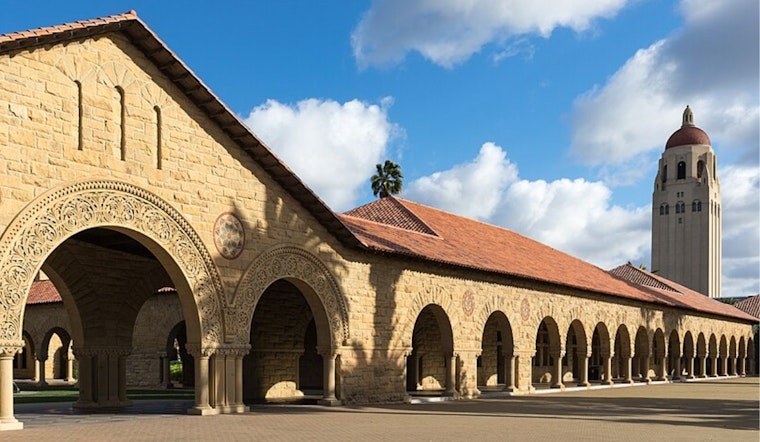
Theo Baker’s new memoir pulls back the curtain on how Stanford quietly funnels some of its sharpest undergrads straight into Silicon Valley’s orbit, from secret, invite-only seminars to venture capitalists courting freshmen before they have even picked a major. The book mixes Baker’s first-person reporting with the investigation that, while he was a freshman, helped force Stanford’s president to resign and earned him a George Polk Award. For Bay Area readers, the message lands close to home: campus culture and private capital are tightly tangled in ways that shape which students become the region’s next founders.
Theo Baker’s How to Rule the World: An Education in Power at Stanford University was published May 19, 2026, according to Penguin Press, and it has already drawn wide attention. Industry reporting says the book has been optioned for television or film, with Warner Bros. and producer Amy Pascal attached in early coverage, as reported by TechCrunch. That trajectory means Baker’s very specific campus story is on track for a national audience, even as it tries to pin down how influence really works in one corner of the Valley.
Baker first drew national notice as a Stanford Daily reporter whose late-2022 investigation flagged apparent image manipulation in several papers co-authored by then-President Marc Tessier-Lavigne, according to The Stanford Daily. The reporting triggered a high-profile board review, and in July 2023 Tessier-Lavigne announced he would step down, coverage detailed by the Los Angeles Times. That work earned Baker a George Polk Award and pushed a national debate over how elite universities police research, prestige and their own leaders.
The ‘Stanford Inside Stanford’
In the memoir, Baker sketches what he calls a “Stanford inside Stanford,” a parallel campus of invite-only dinners, mansion parties and an uncredited, 12-person seminar that lends the book its title, according to The San Francisco Standard. An excerpt adapted from the book in The Atlantic likewise describes how venture capitalists and alumni quietly scout freshmen and hand out “pre-idea” funding, long before students have products, business plans or revenue.
Freshmen as a Talent Pipeline
Baker traces specific pipelines, from the Treehacks hackathon to student clubs and private dinners, that steer undergrads toward particular firms and funds. Local reviewers have seized on those details in early coverage of the memoir. The San Francisco Chronicle and others highlight how “pre-idea funding” and lavish access can function as a substitute for traditional oversight. Industry interviews, including Baker’s profile in TechCrunch, detail how firms use scouts and other intermediaries to identify promising freshmen early.
Legal Pushback and Campus Fallout
Stanford’s response to Baker’s earlier reporting was not subtle. University statements and letters from its lawyers challenged the Stanford Daily’s findings, and Tessier-Lavigne brought in high-profile counsel, according to coverage at the time. He publicly labeled the initial Daily article a breathtakingly outrageous set of claims, and his attorneys pushed back aggressively on Baker’s work, as reported by The Washington Post and The Stanford Daily. Those clashes, Baker writes, became Exhibit A in his argument that power on campus often closes ranks to protect insiders.
Whether Stanford will actually change how money and mentorship move through campus remains an open question. What is clear is that Baker’s book has already sharpened local debate about transparency and oversight on the Hill. As he told The San Francisco Standard, his prescription starts with more transparency and accountability, a call that now echoes well beyond campus hallways into the Valley boardrooms built on the students who pass through them.





