

























































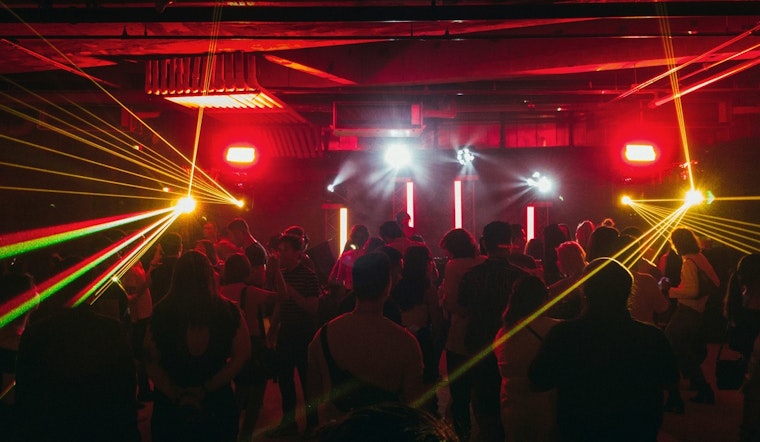
State liquor regulators are getting ready to loosen up on dance floors in bars and taverns across New York. A proposal in front of the State Liquor Authority would scrap a longtime checkbox on license applications that asks whether a business plans to let patrons dance.
According to the New York Post, the SLA has circulated an advisory that would let applicants skip or leave blank questions about patron dancing without putting their approval at risk. The Post reports that the move is meant to cut bureaucratic slowdowns for nightlife operators. Max Bookman, counsel to the New York City Hospitality Alliance, summed it up for the paper: "The dance police is over."
How this ties to the governor's agenda
The shift lines up with a broader statewide push from Gov. Kathy Hochul. In her 2026 State of the State, she directed the SLA to treat dancing as allowed by default in taverns and bars and to create a hybrid restaurant-tavern license to clear up confusion between license types, according to Governor Hochul's State of the State. That directive was packaged as part of a larger effort to cut red tape for small businesses and live-performance venues.
What stays the same
The advisory, if finalized, would not strip the SLA of its enforcement power. The agency would still rely on a venue’s approved "method of operation" and other license conditions to decide when dancing is actually permitted and could still take action if a business strays from those terms, according to SLA guidance.
Neighborhood process still matters
Even if Albany eases the paperwork, the neighborhood-level process is not going anywhere. Applicants commonly list "patron dancing" in SLA filings, and community boards often negotiate stipulations that either limit or explicitly allow it. Recent meeting agendas from Manhattan Community Board 2 show multiple license applications that spell out plans for DJs, live music and patron dancing in the proposed method of operation, underscoring how local reviews can shape the final outcome.
Operators say it will help
Hospitality advocates say tweaking the application could save owners from signing overly tight stipulations just to get a license approved and could make it easier for venues to shift between food-focused and music-forward setups as business demands. Those reactions, reported by the New York Post, frame the move as a long-awaited rollback of obscure paperwork rules.
Legal limits and next steps
The proposed change does not erase all distinctions around dancing. Venues that are approved for "exotic dancing" such as pole or performance dancing still face separate disclosure and operational requirements, including posting human-trafficking notices and meeting other compliance obligations under SLA rules, according to SLA guidance on adult entertainment. The advisory itself must move through the SLA’s guidance process and full-board procedures, so bar owners and neighbors will need to watch for the official advisory and updated application forms before treating the shift as a done deal.





