

























































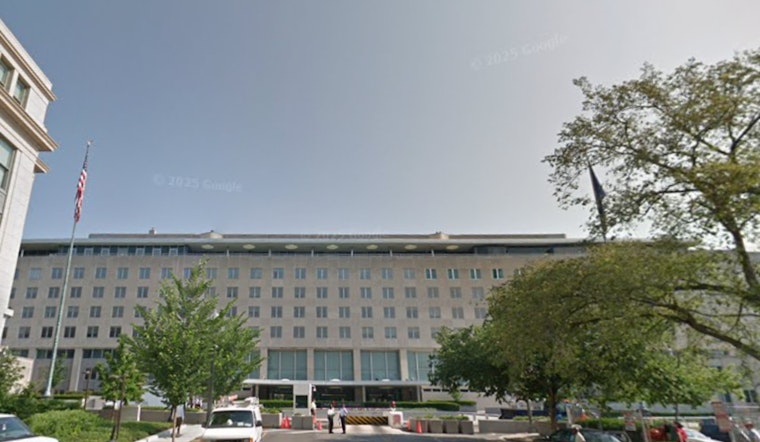
A new State Department cable dated April 28 has quietly turned routine nonimmigrant visa interviews into something far more loaded. U.S. consular officers worldwide are now instructed to ask applicants whether they have been harmed in their home country and whether they are afraid to go back, then deny the visa if the answer to either question is yes. For tourists, students and workers, that sets up a stark choice: tell the truth and almost certainly get refused, or deny fear and risk later accusations of misrepresentation. Consulates have already started enforcing the new script.
What the cable requires
The cable instructs officers to ask two oral questions about past mistreatment and fear of return, and to record those answers in case notes, according to The Washington Post. The directive says applicants must respond "no" to both questions before the regular interview can continue, a procedural shift consular posts were told to apply immediately.
Who this hits
The guidance sweeps in virtually all common nonimmigrant categories - B‑1/B‑2 visitors, F and J students, and major work visas including H‑1B and L‑1 - so a broad slice of global talent, from tourists to researchers to tech workers, could now see visas refused at consulates, immigration practitioners at Fragomen report. Because the questions are asked verbally and logged in internal case notes rather than on the DS‑160 form, those answers may later be visible to other U.S. government agencies.
Employers warned
Labor and immigration attorneys are flagging a new minefield for companies that rely on global mobility. Employers are being warned not to coach workers on how to answer the fear questions, since steering responses could expose the business to legal risk, according to a practice alert from Fisher Phillips. Human‑resources teams are being urged to map out upcoming international travel, build backup plans for key projects, and talk with counsel before sending critical staff abroad.
Why H‑1B workers matter
The stakes are especially high for the tech and professional services sectors. Data from U.S. Citizenship and Immigration Services show that in fiscal 2024 there were roughly 399,395 approved H‑1B petitions, and beneficiaries born in India accounted for about 283,397 of those approvals, according to USCIS. A recent working paper from the National Bureau of Economic Research has also become part of the policy backdrop: the author estimates that H‑1B workers earn about 15 to 16 percent less than comparable U.S. natives, a statistic that has been cited in arguments for higher fees and tighter screening (NBER).
Critics and the State Department
Advocates say the new rule effectively slams the door on people with genuine protection claims long before they reach a U.S. border. "They're trying to systematically demolish any means by which a persecuted person could seek protection and safety in the United States," Jeremy Konyndyk of Refugees International told The Washington Post. The State Department, for its part, defended the change in comments to The Guardian, saying consular officers "are the first line of defense for US national security."
Legal roadblocks to challenges
Even if the policy is challenged in court, there are serious built‑in limits on judicial review. Under the doctrine of consular nonreviewability, federal courts have very little authority to second‑guess consular visa refusals, legal analysts note, a principle outlined in recent commentary by Jackson Lewis. That reality means most fights over the new questions are likely to unfold through administrative channels, congressional oversight and downstream immigration proceedings rather than routine court reversals.
What applicants and employers should do
Immigration counselors are urging employers to identify workers with upcoming visa appointments abroad, postpone nonessential trips where possible, and avoid telling applicants how to answer the fear‑of‑return questions, guidance echoed by Fisher Phillips and other firms. Individuals who genuinely fear going back to their home country are being told to speak with an immigration attorney before the interview, since an honest "yes" can lead to an immediate refusal while a "no" can complicate any future asylum case.
In practice, the directive shifts a major piece of asylum screening from U.S. ports of entry to consular windows overseas, reshaping routine travel and hiring for millions of would‑be visitors and workers. Expect employers, immigration practitioners and civil‑rights advocates to keep pressing for clarifications and oversight as consular posts put the rule into day‑to‑day use.




