

























































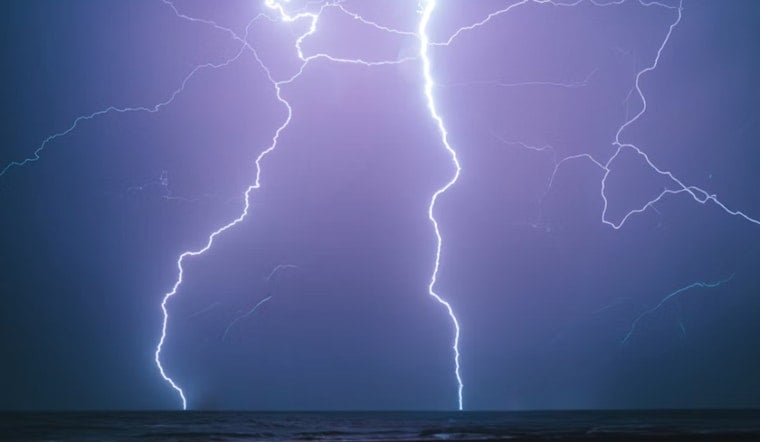
A fast-hitting thunderstorm barreled across central Iredell and northwestern Rowan counties Thursday afternoon, briefly turning a routine day into a noisy hail show for parts of the western Piedmont. Radar tracked the compact but feisty cell as it swept over Statesville and nearby communities, dropping marble-sized hail and kicking up gusty winds while forecasters urged residents to get indoors and take it slow on slick roads.
Storm details from the National Weather Service
According to the National Weather Service Greenville-Spartanburg, Doppler radar spotted a strong thunderstorm around 2:15 p.m. about 4 miles west of Statesville, moving northeast at roughly 30 miles per hour. The special weather statement called for wind gusts up to 40 miles per hour and hail up to half an inch in diameter, and kept the alert in place until 2:45 p.m.
The weather service listed Statesville, Scotts, Turnersburg, Cool Springs and Olin as locations in the storm's path as it tracked across the region. Forecasters noted that the system was quick-moving, but potent enough to get attention as it crossed the area.
What to watch for and safety steps
The National Weather Service cautioned anyone outside to move indoors, advising, "If outdoors, consider seeking shelter inside a building," and noting that minor hail damage to outdoor items was possible. Coverage from The Charlotte Observer also underscored the lightning threat, pointing out that the United States typically sees about 25 million lightning strikes per year, which are linked to roughly 20 deaths annually.
Residents were reminded of the long-standing lightning rule of thumb: wait at least 30 minutes after the last rumble of thunder before heading back outside.
Driving tips and hydroplaning risks
Heavy rain that often tags along with hail can sharply increase hydroplaning risk because wet pavement cuts down on tire grip, the Federal Highway Administration notes. Safety guidance from AAA highlights vehicle speed, the depth of standing water and worn tire tread as the major culprits when cars start to skim across the surface instead of staying planted on the road.
Drivers are urged to slow down in downpours, steer clear of visible pooling water when possible, and make a habit of checking tire tread and air pressure before venturing out onto storm-soaked streets.
Officials advise keeping an eye on updated forecasts and public-safety alerts as the storm line moves away, and reporting any notable hail damage to local authorities as well as your insurance provider.





