

























































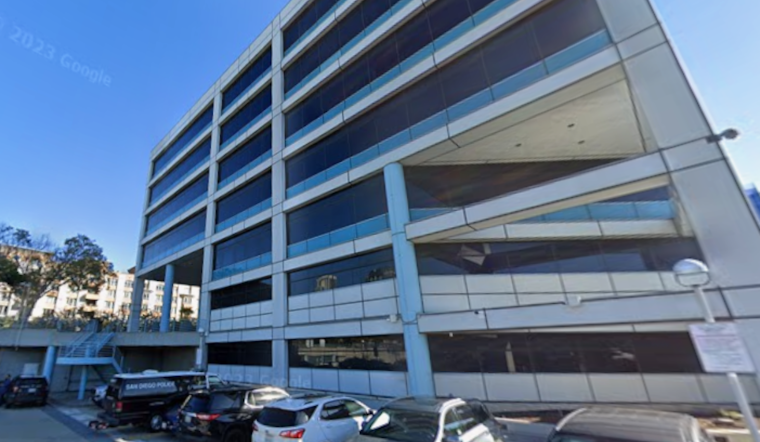
Jonathan Wiese, the San Diego police K‑9 officer who became a local legend after a cliffside rescue at Sunset Cliffs, is now suing the city, saying the department punished him for seeking treatment for post‑traumatic stress disorder and tore him away from his partner, a patrol dog named Uno.
Handler Says K-9 Was Seized And Returned In Rough Shape
In a civil complaint filed against the City of San Diego and the San Diego Police Department, Wiese claims the department abruptly removed Uno from his home and placed the dog in a city kennel after he disclosed he was receiving PTSD treatment. According to the lawsuit, Uno came back 47 days later underweight, out of shape, poorly trained and soiled. The filing also says the city's Equal Employment Opportunity office found there was "sufficient evidence" of a violation of the city's EEO policy in August 2025. Those allegations are detailed by CBS 8.
From Cliffside Rescue To A National Medal
Wiese first drew wide attention in June 2020, when he tied a 100‑foot dog leash around his chest, rappelled down Sunset Cliffs, then swam through the surf to reach a truck in the water and pull two 2‑year‑old twin girls and their father to safety. The Carnegie Hero Fund Commission lists Wiese as a 2024 medal recipient for that rescue, while local court reporting on the crash and its aftermath was published by Times of San Diego.
Allegations Of Stigma And Denied Accommodations
The lawsuit says Wiese told the department he was in treatment for PTSD and requested accommodations, including allowing him to keep caring for Uno based on a doctor's note. He alleges SDPD refused to accept that note, did not properly engage in the interactive process for accommodations and treated him differently than K‑9 handlers who were out on leave for physical injuries.
Wiese also contends that department personnel made derogatory comments about K‑9 officers with PTSD, allegedly calling them "fakers." According to the complaint, then‑Chief Scott Wahl offered to buy him a steak and followed up with, "we are good, right?" after Wiese raised concerns about how he was being treated, as reported by CBS 8.
What The Law Says
Federal law recognizes PTSD and other mental health conditions as potential disabilities and generally requires employers to consider reasonable accommodations and to engage in an interactive process, the U.S. Equal Employment Opportunity Commission explains. EEOC guidance says employers may request medical documentation but cannot reflexively deny accommodations or retaliate against employees who seek them. That framework will help shape how Wiese's allegations are evaluated, and the city's EEO finding gives his case an administrative foothold as it moves into civil court.
Where This Goes Next
Wiese's lawsuit is now pending in civil court and will move through discovery and other pretrial steps. The San Diego Police Department has said it takes such allegations seriously but that ongoing litigation limits what it can say publicly. Depending on how the case plays out, it could pressure the department to revisit how it handles mental health leave and K‑9 assignments for officers who step forward to seek treatment.





